Beneath Our Feet: Fossorial Herpetofauna of the Western Australian Sandplain
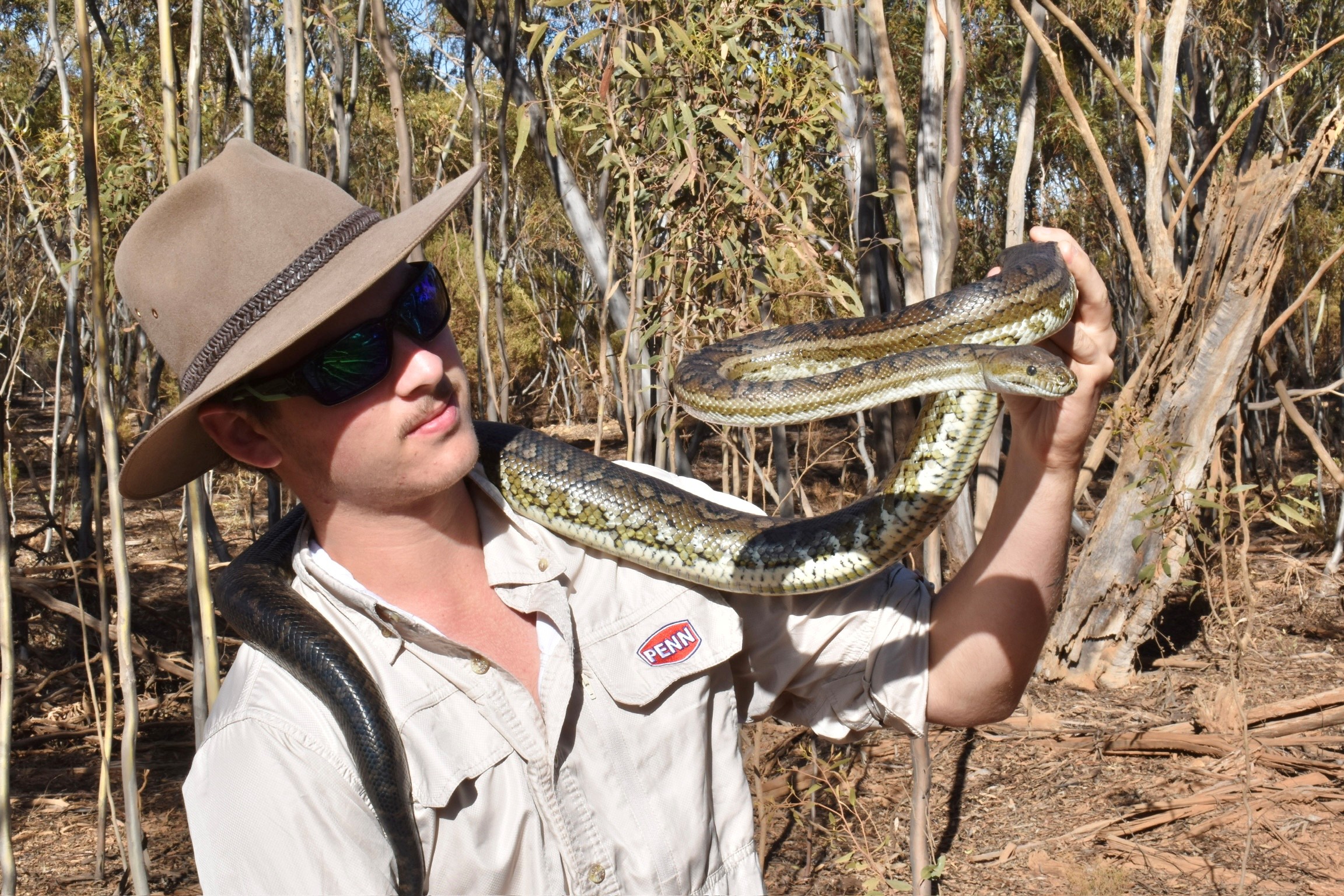
Danny Melville and a SW Carpet Python.


Danny Melville and a SW Carpet Python.

Western Australia supports an extraordinary diversity of trapdoor and other mygalomorph spiders, much of which remains undescribed or poorly understood. In this talk, WA Museum's Jeremy Wilson will draw on current research at the museum to explore how fieldwork, museum collections, morphology and DNA are helping to uncover this diversity, ...
Join Lou Scampoli, a Birdlife WA volunteer, discussing the marvel of bird migration. Birds migrate in many ways and for a number of reasons and we will detail why they migrate, the different forms of migration, how they navigate and the numerous hazards they face. Be introduced to the migratory ...
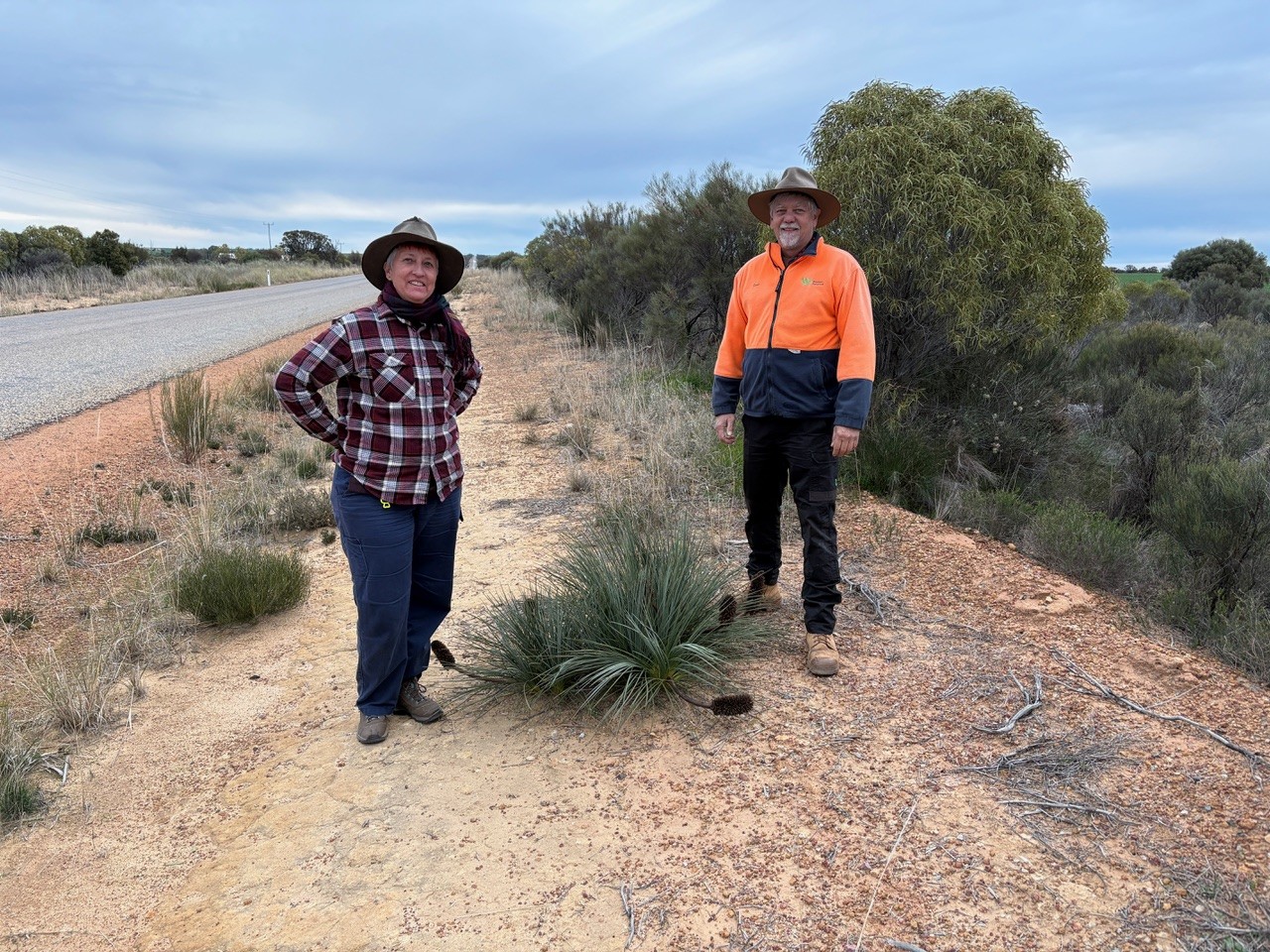
What Xanthorrhea is that? Or is it a Kingia? Back in 2020, presenters Geoff and Linda, along with other Western Botanical ecological consultancy staff, noticed significant variation in Xanthorrhoea (Grasstrees) while undertaking surveys in the eastern wheatbelt. When they investigated Xanthorrhoea nana, they found three forms that were difficult to ...
Dragonflies (Odonata) are some of the most aesthetically pleasing and most loved wetland insects, yet we know very little about the ecology or biology of Australian species. There are more than 40 species found in southwestern Australia, of which nearly half are endemic species, and there are also endemic genera. ...

Join Kelly Sheldrick for a talk about citizen science bat surveys in southwest WA, and learn more about these elusive mammals, which make up around a third of all mammal species in the region. The presentation will cover the survey techniques used, including the use of acoustic lures to increase ...
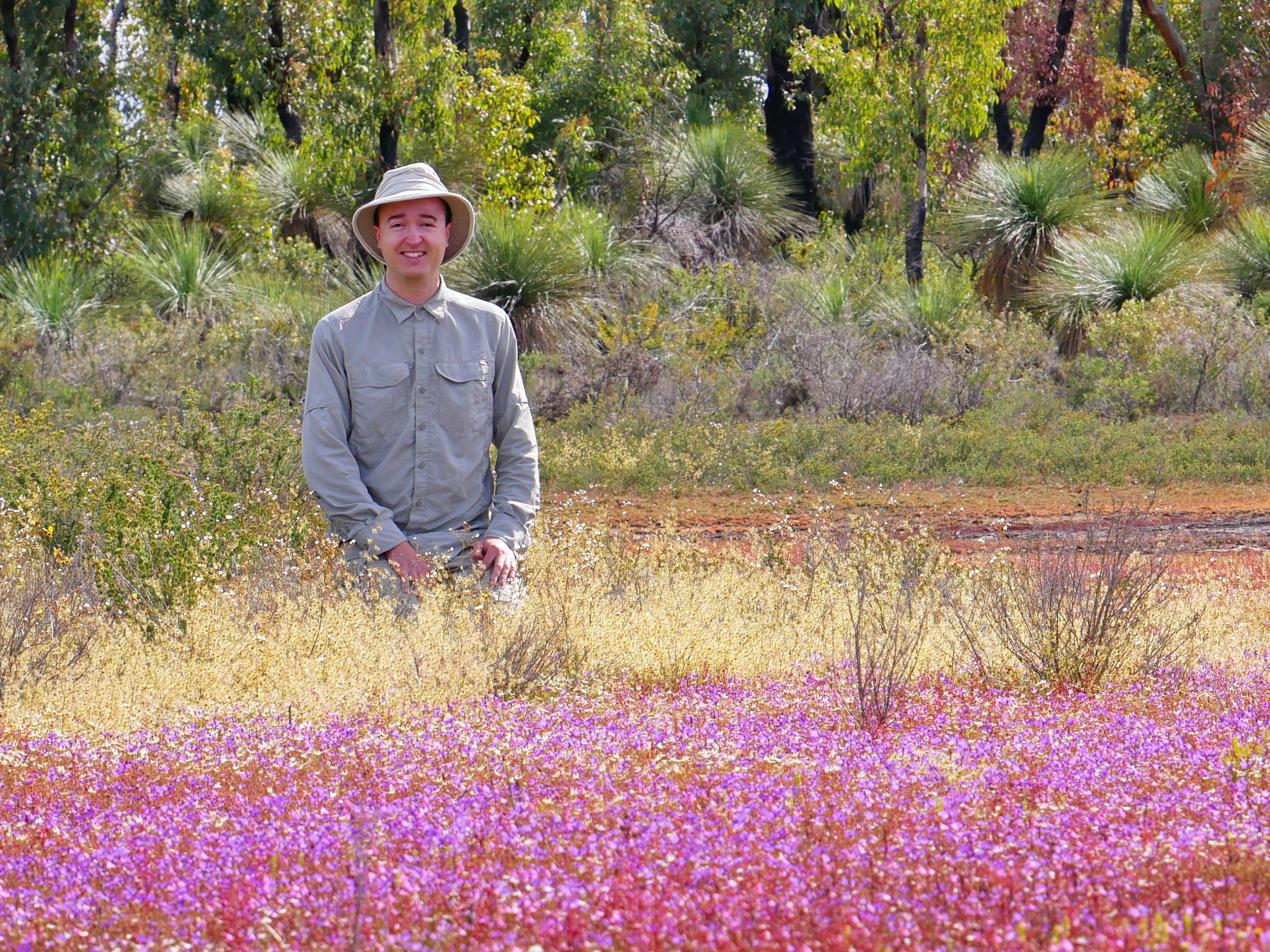
Sundews (botanical name Drosera) are carnivorous plants that capture and digest insects using leaves covered in sticky, mucilage-producing tentacles. Western Australia is the global diversity hotspot for the genus, with more than 150 species that primarily occur in the South-West and Kimberley regions. New species continue to be discovered and described each year, with many of them already being on the verge of extinction due to habitat loss. This presentation will introduce the genus Drosera with a focus on natural history aspects such as rediscoveries of long-lost species, novel plant-animal interactions (especially kleptoparasites), and the rapidly growing role of citizen science in taxonomic and conservation research.
Dr Sue Graham-Taylor accepted the challenge of writing the centenary history of the Western Australian Naturalists’ Club being aware of the key role it has played in documenting and protecting WA’s environment as well as in educating the community. Her research has unearthed many aspects of our history that are not ...
This presentation by Peta Kelsey will describe the Department of Biodiversity, Conservation and Attractions’ current prescribed burning program on the lands it manages in the South-West Forest Region. It will look at the effectiveness of the current regime in preventing wildfire and protecting people and infrastructure, and also its impact ...
Ecoacoustics is the study of environmental sounds and the connection these sounds have to ecosystem function and health. Listening to the sounds of an ecosystem offers a unique way to monitor biodiversity, map species distribution, understand fauna behaviour, and track ecological change. This talk by Lauren Hawkins will introduce ecoacoustics ...

Were you ever interested about the insects, birds and marsupials pollinating our flowers? Flowers compete to attract pollinators using colours, scents and shapes tailored for pollinator-specific sensory systems. Some flowers have evolved to attract relatively specific pollinators, presumably to increase pollen transfer within a species. Differences between plants in their ...

Dr Sarah Comer is the Regional Ecologist for DBCA’s South Coast Region, a position she has been privileged to work in for over 25 years. Sarah’s work is focused on conservation: implementing threatened species recovery programs, monitoring and management of native species, and integrating invasive predator management, fire ecology and ...
Calendar powered by The Events Calendar