

Northern Suburbs 16 Feb 2022
Stuart Halse, of Bennelongia Environmental Consultants, shared a very informative presentation that provided new insight into the habitat and diversity of subterranean fauna. From a historical perspective, Stuart pointed out that we often associated stygofauna with caves and speleologists who became pseudo-biologists. Today we know stygofauna species are found in many habitats, and they are the domain of trained scientists.
The sampling of the vast number of drill holes emanating from exploration and environmental projects by mining companies in WA has led to a rapid increase in the number of species and their discovery in many aqueous environments including springs, alluvium, vuggy calcrete and occasionally transmissive rock formations such as local aquifers. Since Bill Humphries (WAM) began his studies of the fauna of the caves of Cape Range in the 1990s, surveys for Environmental Impact Assessments (EIAs) by the mining industry have resulted in over 1300 species being recognized in the Pilbara and around 1200 species in the Yilgarn. Some species occur over less than 100 km2, but many have existed over areas covering more than 1,000km2. How they spread over such a large area remains a mystery.
Stygofauna are aquatic and troglofauna are air breathing.
While some stygofauna habitat is found in stream beds, where there is permanent or seasonal surface water, the palaeochannels in the Yilgarn, such as at Yeelirrie, and vast aquifer areas in the Pilbara, support stygofauna communities. Up to 50 species have been collected from single boreholes in these aquifers where no surface water is present.
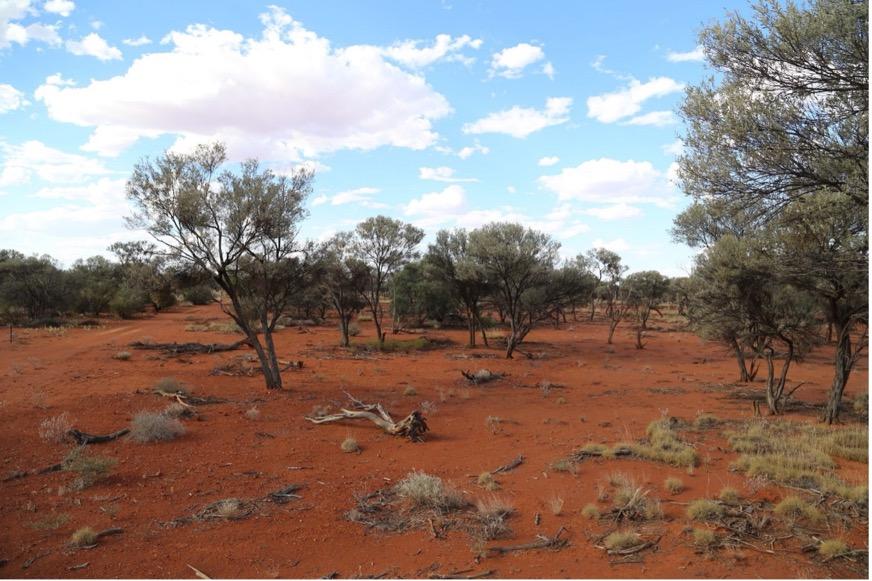
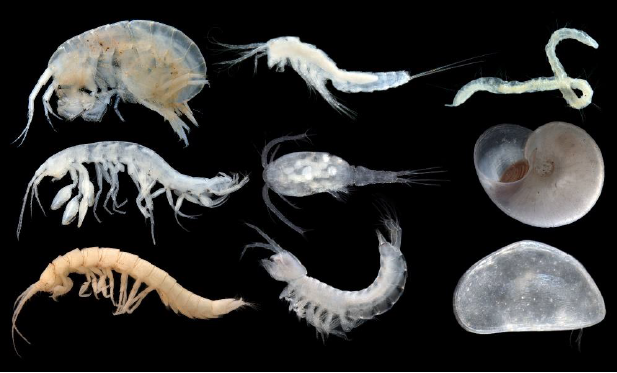
Stuart then showed some stunning micrographs of typical stygofauna, including amphipods, isopods, ostracods, snails and water beetles.
Much of our recent knowledge on troglofauna comes from work done between 2004-2006 on the iron-rich mesas located on the edges of the Robe (River) Valley in the Pilbara. Approximately 1500 species have been identified by surveys conducted for EIAs since 2007. Most species occur in weathered or mineralized rock habitats, with a few in calcrete and rock detritus.
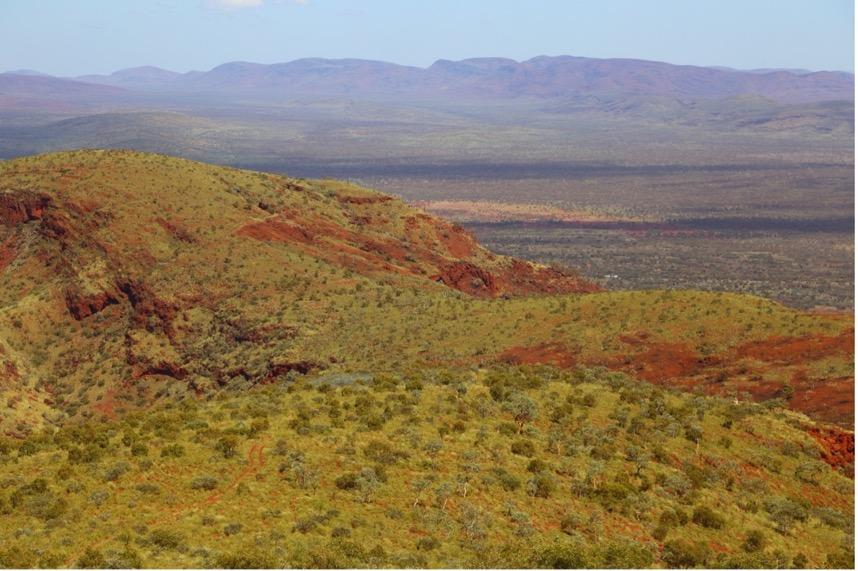
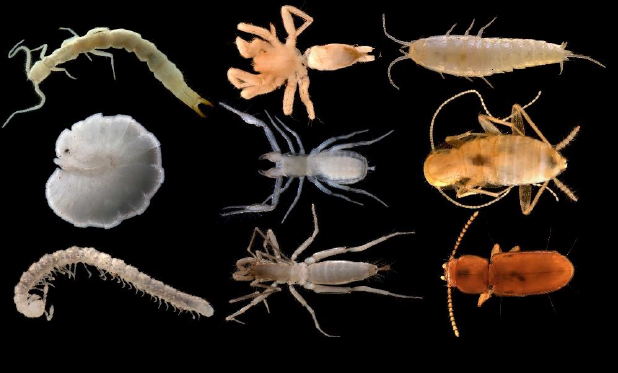
Unlike stygofauna, most troglofauna species occupy very small ranges, frequently less than 5km2. The micrographs showed typical troglofaunal arthropods, including silverfish, cockroaches, arachnids and a millipede from the Woodlands, which holds the record for the most feet, more than 1300!
- Stygofauna is sampled by lowering a small conical net down a borehole, through the water column, bouncing it a few times to stir up sediment, and retrieving the net. Troglofauna samples can be obtained by lowering traps, baited with leaf litter, down a mining exploration drill hole and leaving in place for a couple of months. Troglofauna can also be collected by lowering a stygofauna net down the hole to the water table and then scraping the sides of the hole with the net as it is retrieved.
- Pisolite ore bodies dominate the Robe Valley geology in the form of Mesa deposits within the Hamersley Basin. The broad flat-topped hills with deeply incised gullies are bounded by 20-30m high cliffs, which contain voids and fissures which make ideal homes for troglofauna.
Don Poynton