KRM Branch AGM and Members Night
Topic: Annual General Meeting plus a Members’ Night (if time allows) following the formal AGM process Time: 7:00 pm Venue: Naragebup (Rockingham Regional Environment Centre), Safety Bay Road, Peron Contact:


Topic: Annual General Meeting plus a Members’ Night (if time allows) following the formal AGM process Time: 7:00 pm Venue: Naragebup (Rockingham Regional Environment Centre), Safety Bay Road, Peron Contact:
DRB Presents: Boyd Wykes from Owl Friendly Margaret River speaking about Night Calling: how Yornitj the Masked Owl inspired Australia’s first ‘owl friendly’ community

All members of the Club are invited to attend the Annual General Meeting of the Northern Suburbs Branch of the Western Australian Naturalists' Club Inc. Agenda. The meeting will be followed by our annual photo competition. Categories Conditions of Entry: Please send digital copies to Graham at: natsnorthernbranch@gmail.com by Monday ...

Were you ever interested about the insects, birds and marsupials pollinating our flowers? Flowers compete to attract pollinators using colours, scents and shapes tailored for pollinator-specific sensory systems. Some flowers have evolved to attract relatively specific pollinators, presumably to increase pollen transfer within a species. Differences between plants in their ...
Nedlands Planning Meeting (and foreshore walk) Time: Meeting will start at 8.00 am under the shady trees – please be there promptly. NB There is no formal walk although individuals may choose to arrive early to walk along the foreshore. Meet: J. H. Abrahams Reserve (Eastern end) UBD (577 - ...

The 2025 Western Australian Naturalists’ Club Annual General Meeting will be a members-only event, hosted this year by the Darling Range Branch. The AGM Agenda and other meeting documents will be made available to members prior to the meeting in a personalised email. If you are unable to attend, please ...
This presentation by Peta Kelsey will describe the Department of Biodiversity, Conservation and Attractions’ current prescribed burning program on the lands it manages in the South-West Forest Region. It will look at the effectiveness of the current regime in preventing wildfire and protecting people and infrastructure, and also its impact ...

Southwestern Australia has a unique natural heritage. Our ecosystems contain many complex interactions between plants, animals and fungi. Prof. Lamont will outline examples of these interactions such as occur with the Albany pitcher plant, orchid mimicry, the woylie, and black cockatoos. He will explain how these cycles form an essential part of the environment that we all love and depend on. Content has been tailored for senior high school students and above.
Tonight's speaker will be Desiree Heald For further information contact
Dr Sue Graham-Taylor accepted the challenge of writing the centenary history of the Western Australian Naturalists’ Club being aware of the key role it has played in documenting and protecting WA’s environment as well as in educating the community. Her research has unearthed many aspects of our history that are not ...
DRB Excursion: Leaders, renowned Naturalists Rachel and Mike Green Ollie Worrell Reserve in High Wycombe has a permanent standing lake with many bird species. E-bird has recorded 84 species of birds there. Our excursion leaders, Mike and Rachel, have been visiting the reserve regularly since November 2024 and have been impressed with the different bird ...
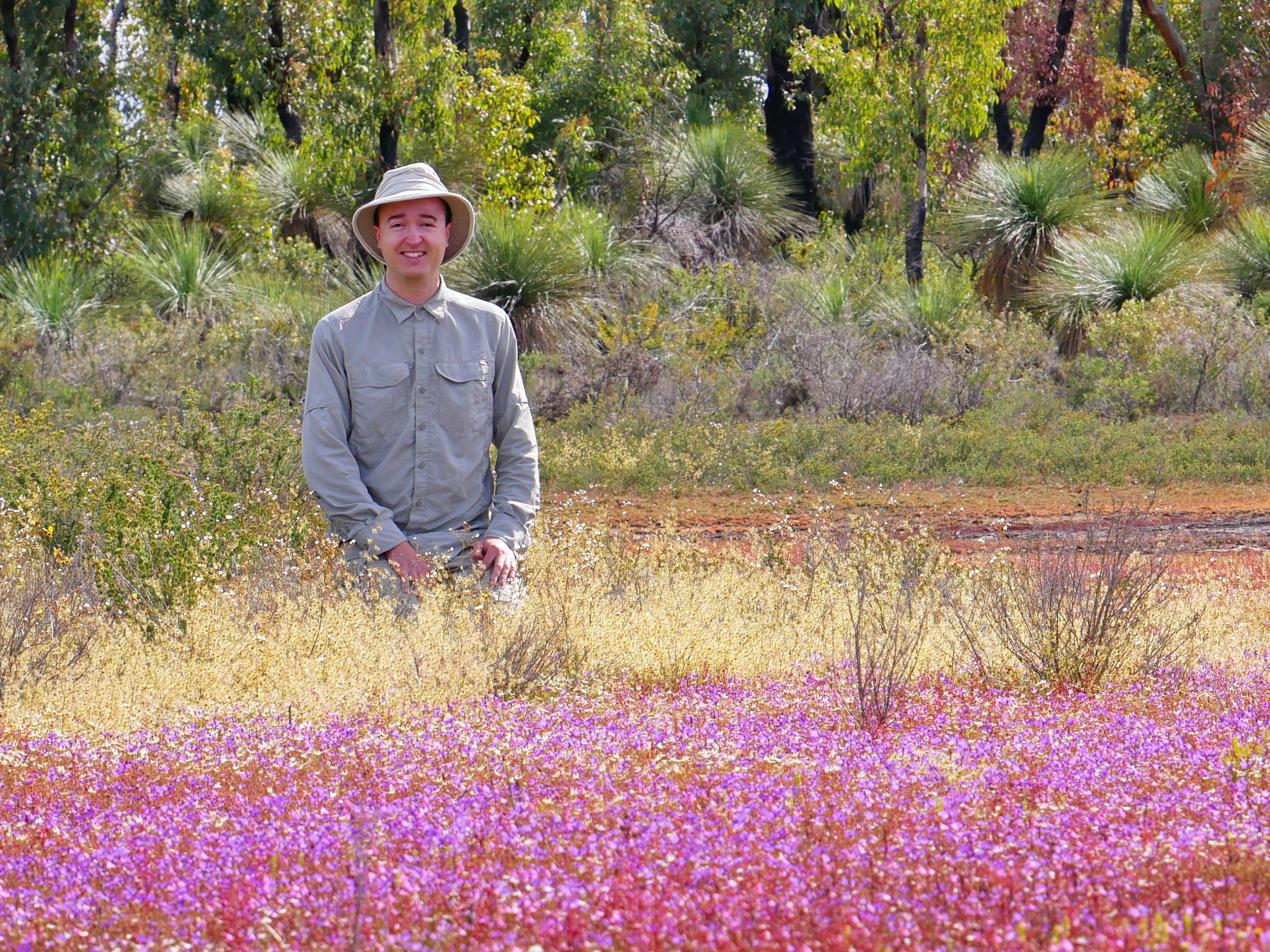
Sundews (botanical name Drosera) are carnivorous plants that capture and digest insects using leaves covered in sticky, mucilage-producing tentacles. Western Australia is the global diversity hotspot for the genus, with more than 150 species that primarily occur in the South-West and Kimberley regions. New species continue to be discovered and described each year, with many of them already being on the verge of extinction due to habitat loss. This presentation will introduce the genus Drosera with a focus on natural history aspects such as rediscoveries of long-lost species, novel plant-animal interactions (especially kleptoparasites), and the rapidly growing role of citizen science in taxonomic and conservation research.