

Main Club, 6 June 2025
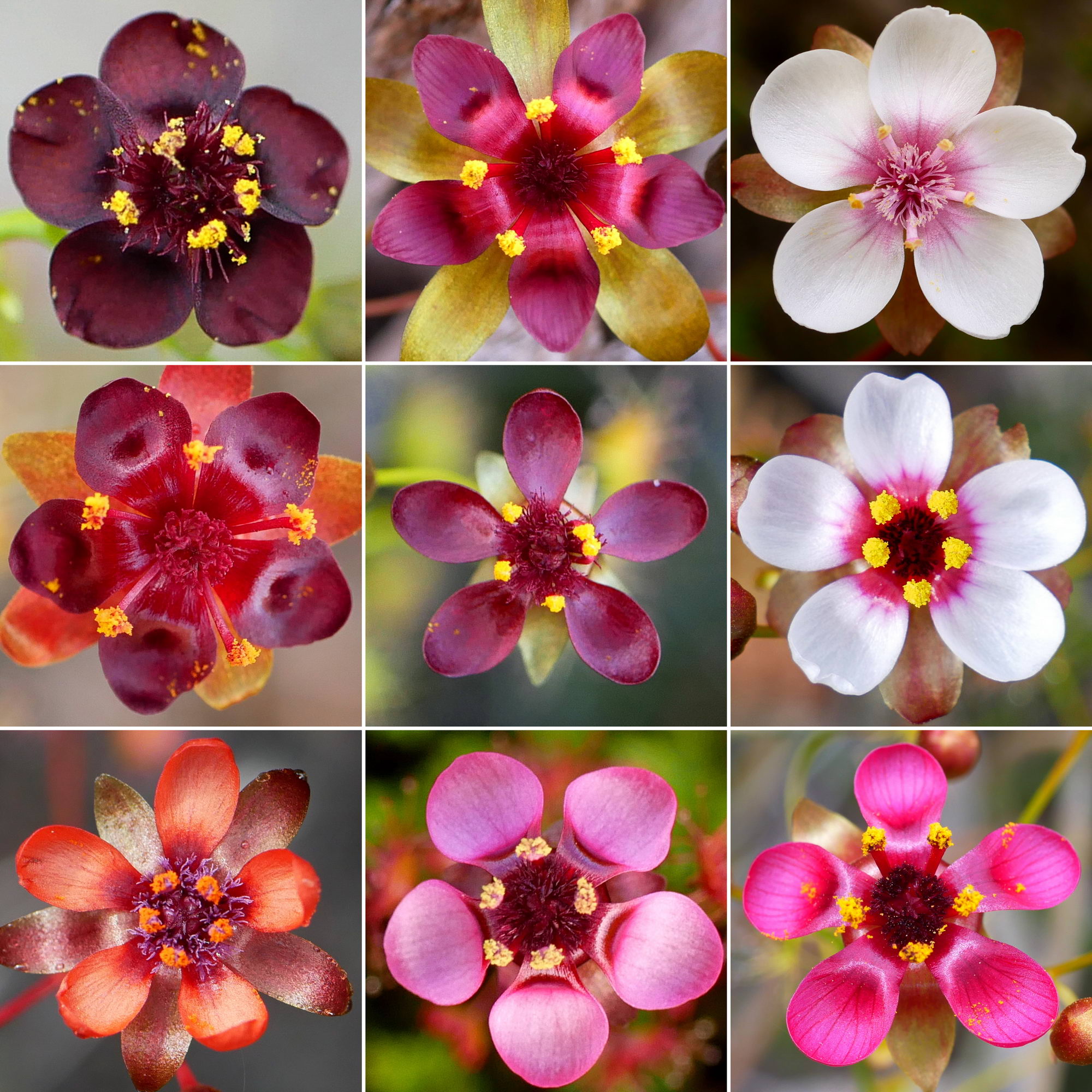
The enthusiasm of our speaker, Thilo Krueger, demonstrated how botany can be an intriguing and exciting subject, one that we can all become involved in through Citizen Science. Thilo is in the final year of his PhD at Curtin University. His photos of sundews exemplified the true beauty and diversity of nature in Western Australia. Our state is a world hotspot for sundews, containing the world’s highest number of Drosera species, with more than 120 in the SW and 30 in the Kimberley.
Sundews are carnivorous plants belonging to the genus Drosera, which have evolved to trap, kill and digest small insects. Their leaves have “tentacles” that produce droplets of sticky mucilage at their tips. The trapped insects supplement the plant’s nutritional needs as they grow in soils with low nutrient content, often in waterlogged conditions. At the same time, of course, they use other insects to pollinate their flowers.
Thilo shared some lesser-known facts about sundews. One is that there are two types of tentacles – mucilage-producing ones and “snap tentacles”. The latter snaps shut very fast when touched and catapults the insect onto the mucilage tentacles. Another is that there are insects, such as Setocoris, the Sundew Bug, that can walk safely on the sticky leaves and steal the plant’s prey. Such behaviour is called kleptoparasitism.
Apart from three species, all the droseras of the SW can be classified as either tuberous or pygmy sundews. Tuberous Droseras (70 spp and confined almost exclusively to the SW of WA) have a stem-derived tuber to help them survive the hot, dry summers. They either have a rosette of leaves or a long stem that can be climbing or free-standing. Pygmy Sundews (55 spp) are very small (e.g. 2cm tall) and also rosette but without a tuber. They have bristly, protective stipules and modified leaves called gemmae, which are easily detached and spring-loaded. Raindrops trigger the gemmae to fly off onto the soil, where they may grow into a new plant. In this way, they produce clonal colonies.
In the Kimberley, the Drosera are quite different. They include about 30 species of woolly sundews, half of them undescribed, which have woolly leaf stalks to collect dew. Then there are the very different-looking Spider-leg Sundews (the Drosera indica complex), one of which has a very strong honey fragrance emitted by the leaves to attract insects.
Thilo related some intriguing stories about the re-discovery of Drosera species that had been described by early botanists Ludwig Diels and James Drummond. They involve extremely vague descriptions of the plants’ locations, requiring diligent detective work to locate them. He gave examples of Citizen Science, in which photos of Drosera sightings have been posted on Facebook that match sightings of species not seen since the early days of the Colony.
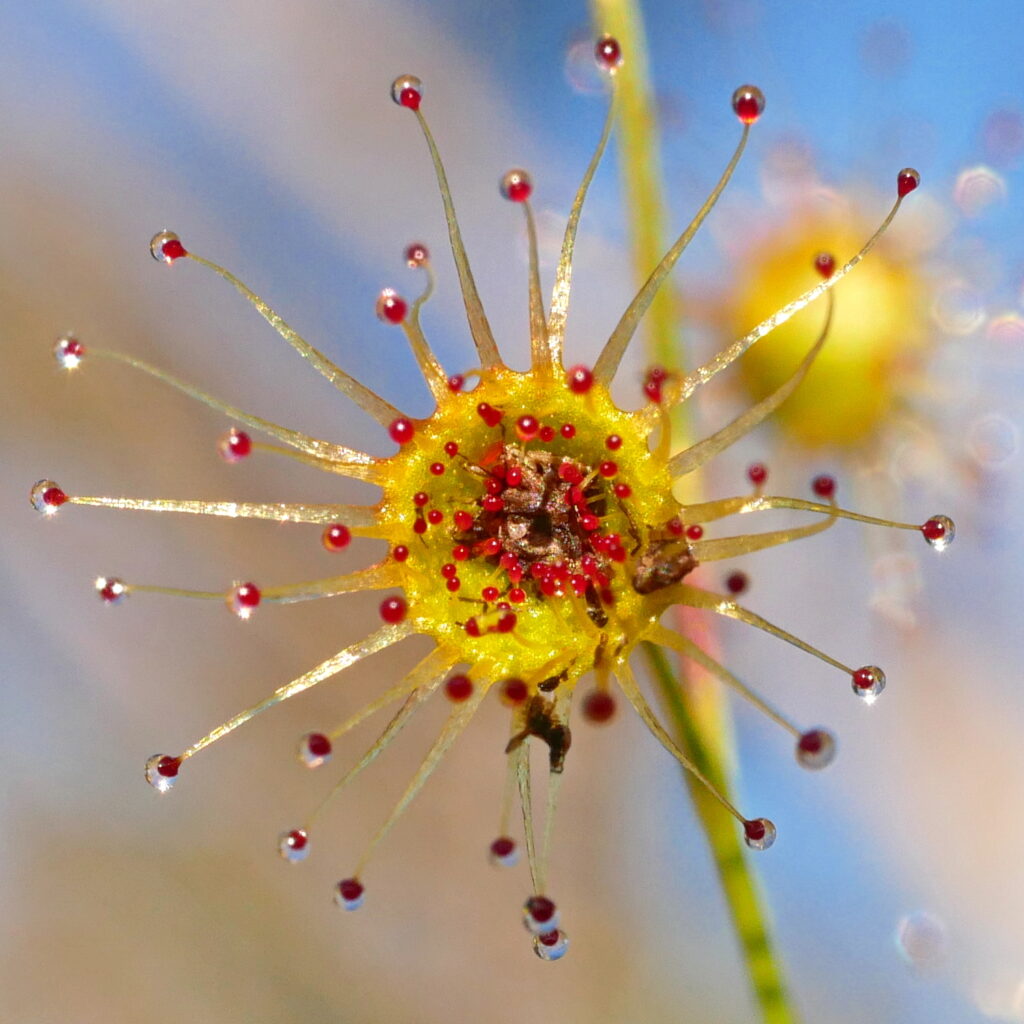
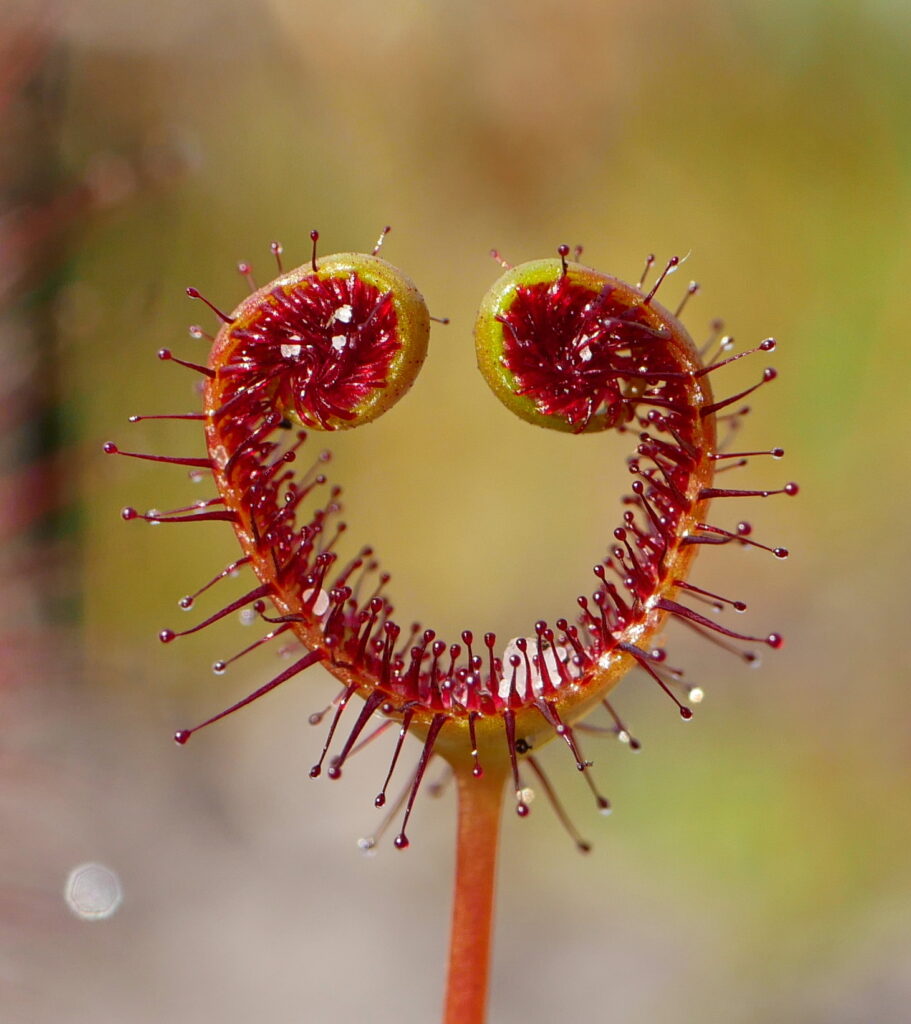
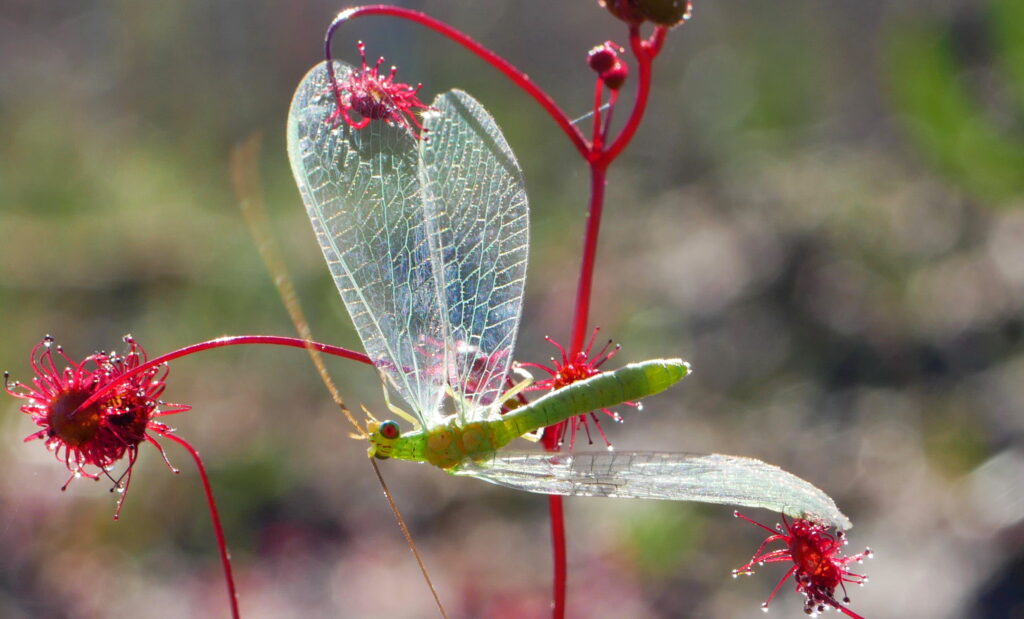
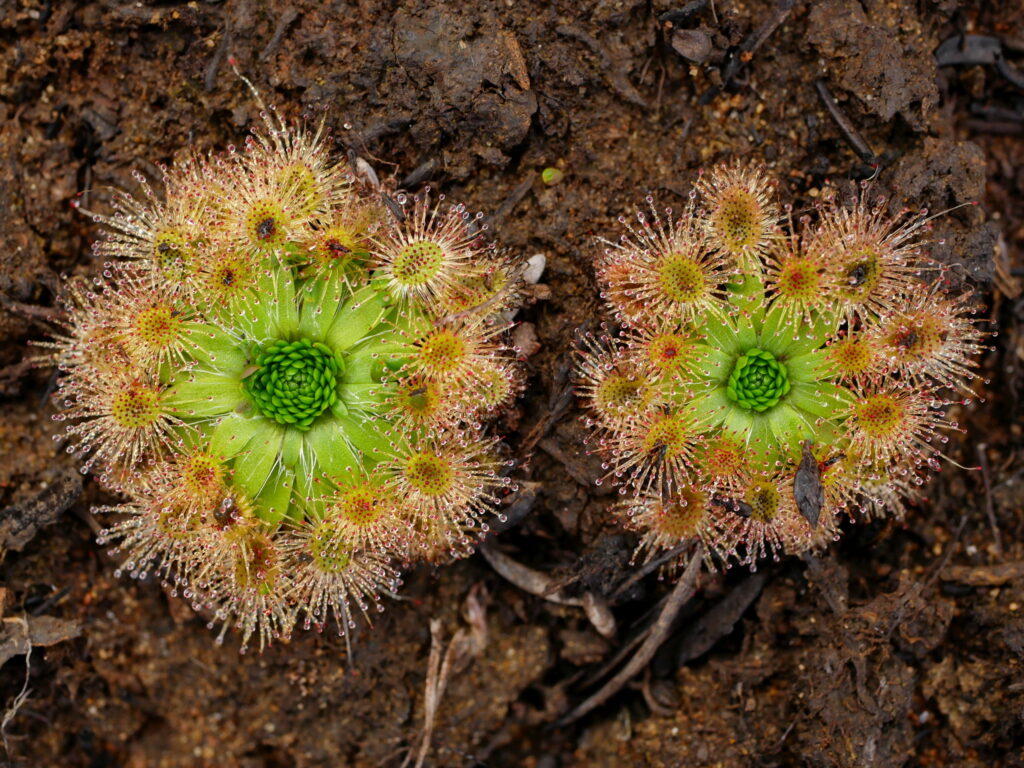
Thilo conveyed to us his enthusiasm for botanical research – discovering the intricacies of nature, travelling to remote places in the state, unravelling the riddles of past observations and descriptions, and appreciating the beauty of Sundew leaves and flowers.
Mike Gregson