

Main Club, 1 August 2025
The jewel-coloured flash of a dragonfly over a Perth wetland represents far more than a fleeting moment of natural beauty. These ancient aerial hunters are indicators of ecosystem health, and recent research from Murdoch University by Assoc. Prof. Belinda Robson and her colleagues reveal both their remarkable adaptability and growing vulnerability in southwestern Australia’s changing climate.
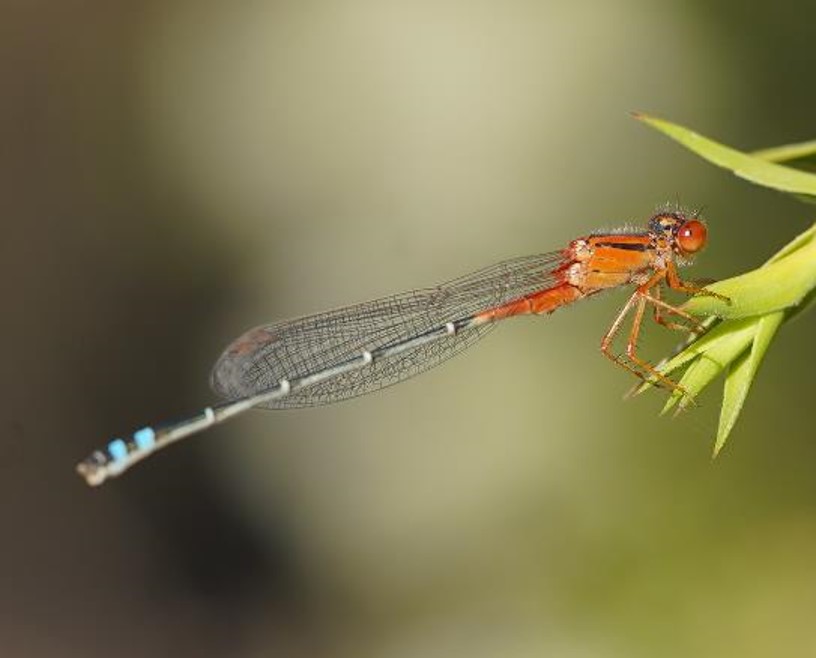
Southwestern Australia hosts an impressive diversity of odonates—the taxonomic order encompassing both dragonflies and their more delicate relatives, damselflies. With at least 42 species recorded, including 29 dragonflies and 13 damselflies, the region boasts exceptional endemism. Eighteen species and three entire genera are found nowhere else on Earth. But what’s the difference between dragonflies and damselflies? The former are thicker-bodied and hold their wings straight out when perched; the latter are more slender and fold their wings alongside their abdomens at rest.
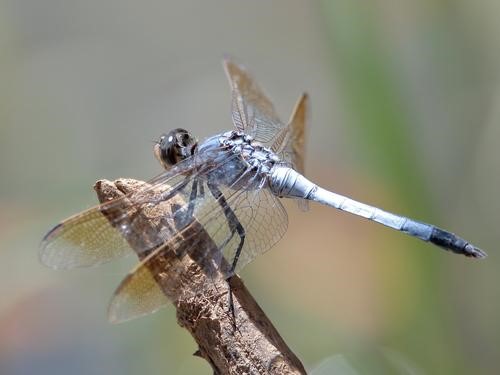
Among the region’s common odonates is the striking Blue Skimmer (Orthetrum caledonicum), whose males display brilliant blue colouration, while females remain more cryptically coloured. The ethereal Tau Emerald (Hemicordulia tau) and the Red & Blue Damselfly (Xanthagrion erythroneurum) add splashes of colour to wetland margins throughout the southwest.
Blue Skimmer – Image by Graham Winterflood via iNaturalist
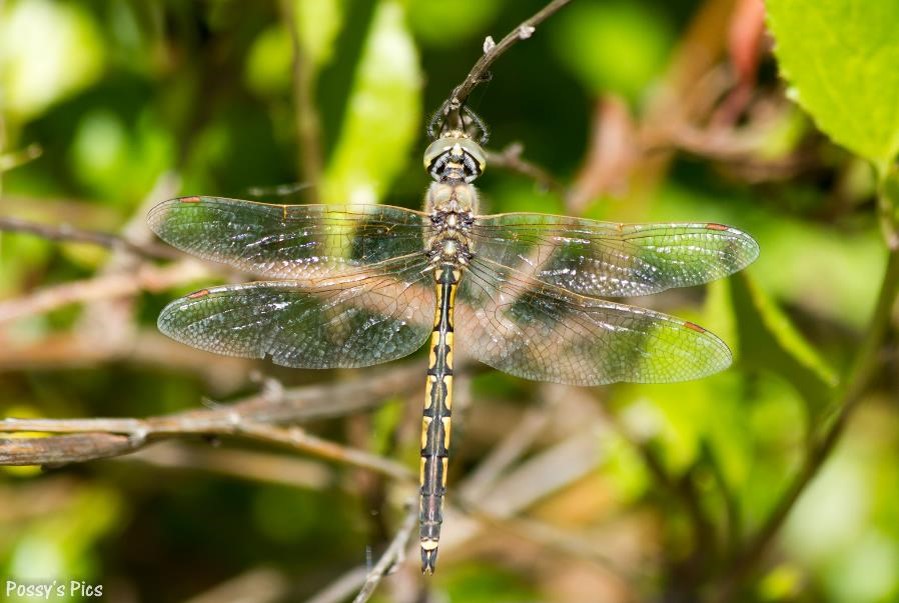
These predators play crucial ecological roles throughout their complex life cycles. Spending most of their lives as aquatic nymphs—from six weeks to two years depending on species and conditions—they serve as top predators in fishless water bodies. Their extendable, jointed jaws and patient hunting strategies make them formidable hunters of mosquito larvae, aquatic worms, and even sometimes small fish. Adults, living up to six months, continue their predatory lifestyle in the aerial realm, after emerging and leaving behind on vegetation an outer layer called an exuvia. The latter are often stacked and are a good way to count and identify species in a waterbody.
Southwestern Australia’s Mediterranean climate presents unique challenges for odonates. Unlike their European counterparts that overwinter as dormant nymphs, local species must contend with summer drying rather than winter freezing. Recent Murdoch University research has revealed fascinating adaptations: some damselflies can survive complete water loss, emerging successfully even when surface water disappears entirely. Nymphs burrow into damp sediments and can complete their transformation in the absence of standing water.
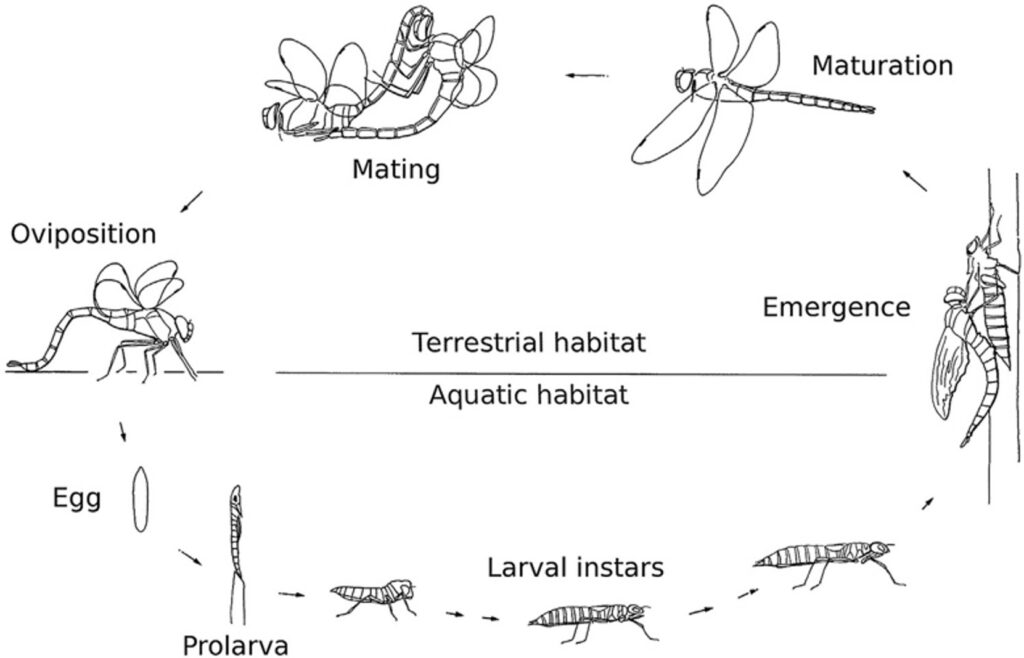
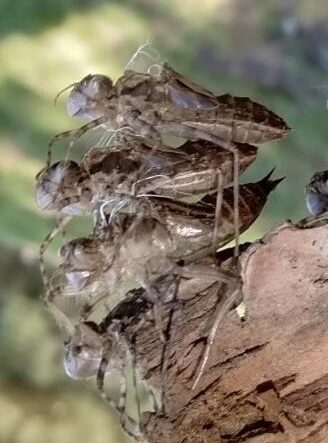
Left and right: Dragonflies lifecycle and exuvia – Images from Belinda Robson
The timing of emergence has evolved to match local conditions, with most species preferring summer emergence despite the increased risk of habitat drying. Intriguingly, nymphs emerging in summer tend to be smaller than their spring counterparts, likely responding to declining daylight hours and increased time pressure to complete development before wetlands dry completely.
Urban wetlands present both opportunities and threats. While constructed wetlands can support dragonfly populations, the presence of invasive Gambusia fish severely impacts damselfly communities. These aggressive introduced fish tear off the delicate gills of damselfly nymphs and attack egg-laying females, dramatically reducing local populations.
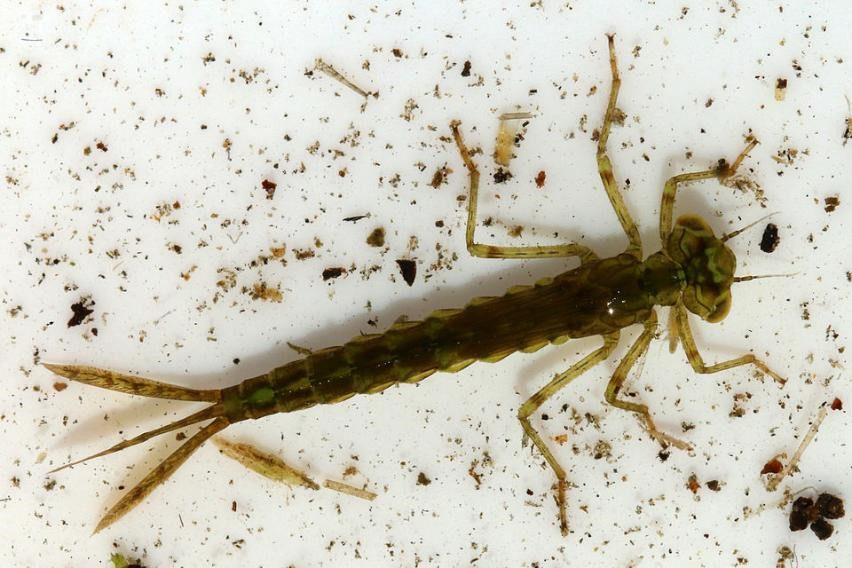
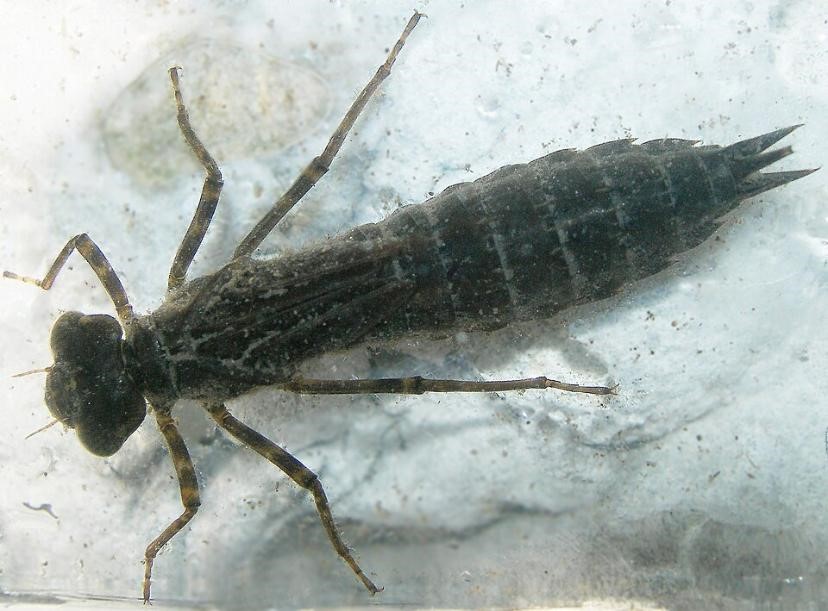
Climate change compounds these pressures. Fifty years of regional drying have correlated with substantial loss of permanent water bodies, eliminating crucial breeding habitat. Some northern species are beginning to shift southward, potentially competing with endemic southwestern species already stressed by habitat loss.
Conservation efforts must focus on maintaining vegetated wetland margins—essential for nymph shelter and adult emergence—while preserving surrounding terrestrial vegetation that provides critical cooling shade and refuge. The research emphasises that successful urban wetland restoration requires not just water, but the complete, complex habitat mosaic these ancient predators need to thrive.
As climate pressures intensify, understanding and protecting these remarkable insects becomes increasingly urgent. Their survival depends on maintaining the delicate balance of permanent and seasonal wetlands across the landscape—a conservation challenge that will determine whether future generations can witness their aerial ballet over our waters.
Tanya Marwood