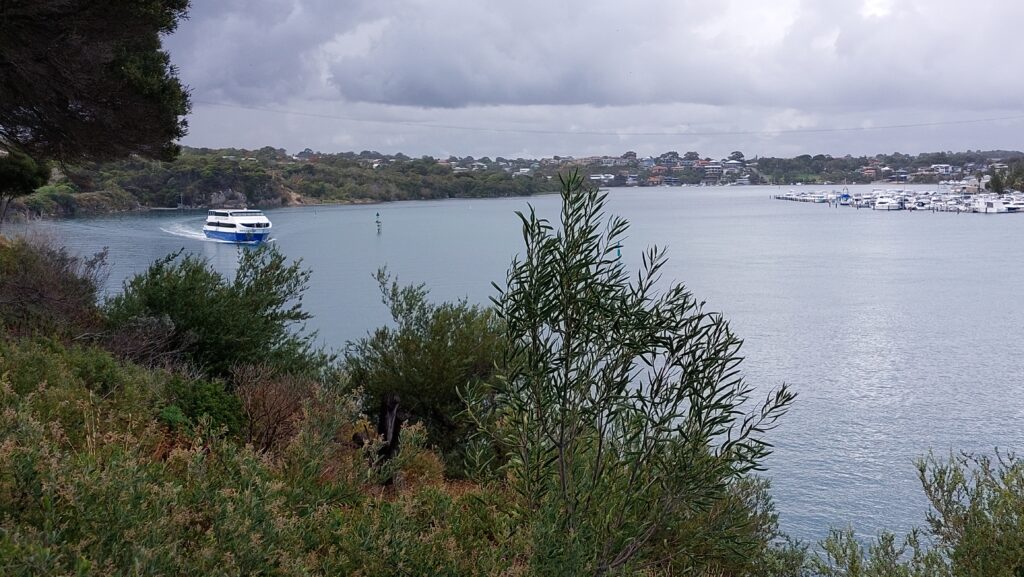
Notley Late Easter Excursion: Waterways Around Perth Metro. Wednesday, 18th May 2022
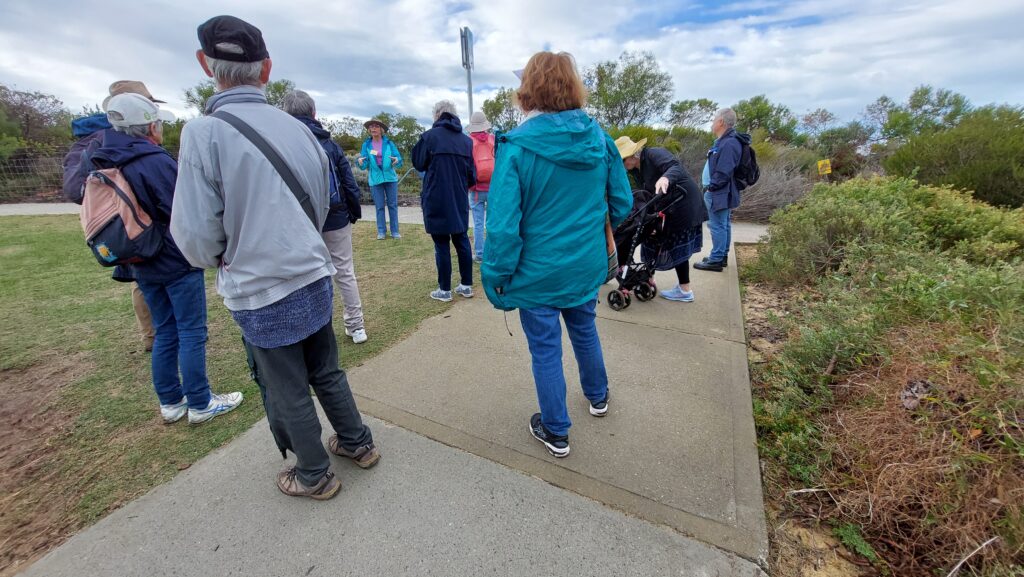
Sue Conlan, the Friends of Mosman Park Bushland coordinator, kindly agreed to lead this excursion, along with Margaret Larke and myself. Sue showed us some of the revegetation areas that her group has worked on tirelessly for decades – planting, watering, mulching and weeding – to bring back the biodiversity that used to exist before European settlement. This is a Bush Forever site. She mentioned some of the problems the group comes up against, such as some residents wanting lawns and unobstructed views and people who object to having areas fenced against predators. Sue said that Rainbow Bee-eaters are no longer nesting there after a fence was removed.
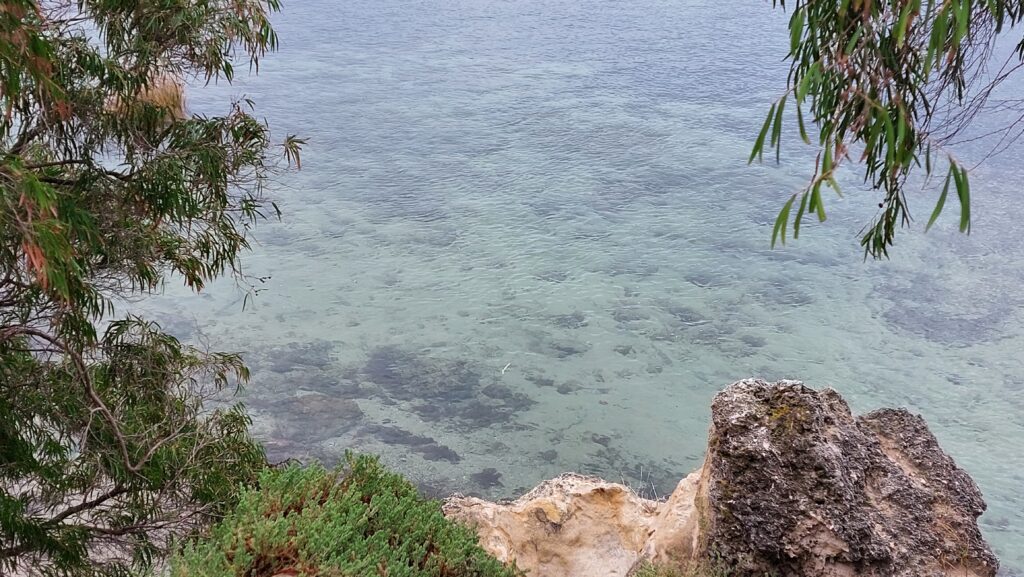
Minim Cove near Point Roe was an important gathering place for the Whadjak Noongar people because of a freshwater spring and a concentration of mullet (which may be attracted by the spring water coming into the river). The people built fish traps which they would herd the mullet into. Sue showed us the submerged rows of rocks that were the remnants of those fish traps, and the area was indeed alive with mullet.
Sue pointed out an area where the group has been encouraging the growth of salt marsh plants such as sedges and samphires. This is a favourite area for wading birds, and a bird hide has been built overlooking it. However, we witnessed people taking their dogs walking along the foreshore, just where the birds feed – a common unfortunate occurrence. Sue said that salt marshes are important in sequestering carbon. As we know, Vlamingh named this river after the black swans, which used to be very common. The decline in numbers is probably because of the decline in the salt marsh along the banks. Among the other interesting points of interest was a layer of shelly limestone at seven metres above sea level, where the sea level had been sometime during the Pleistocene.
Mike Gregson