

Northern Suburbs Branch Member’s Photo and Specimen Night Wayne Merritt – 20th April 2022
In late 2016, Naturalists club member Wayne Merritt was one of 50 passengers on board Heritage Expedition’s excursion to New Zealand’s Sub-Antarctic Islands and Australia’s Macquarie Island.
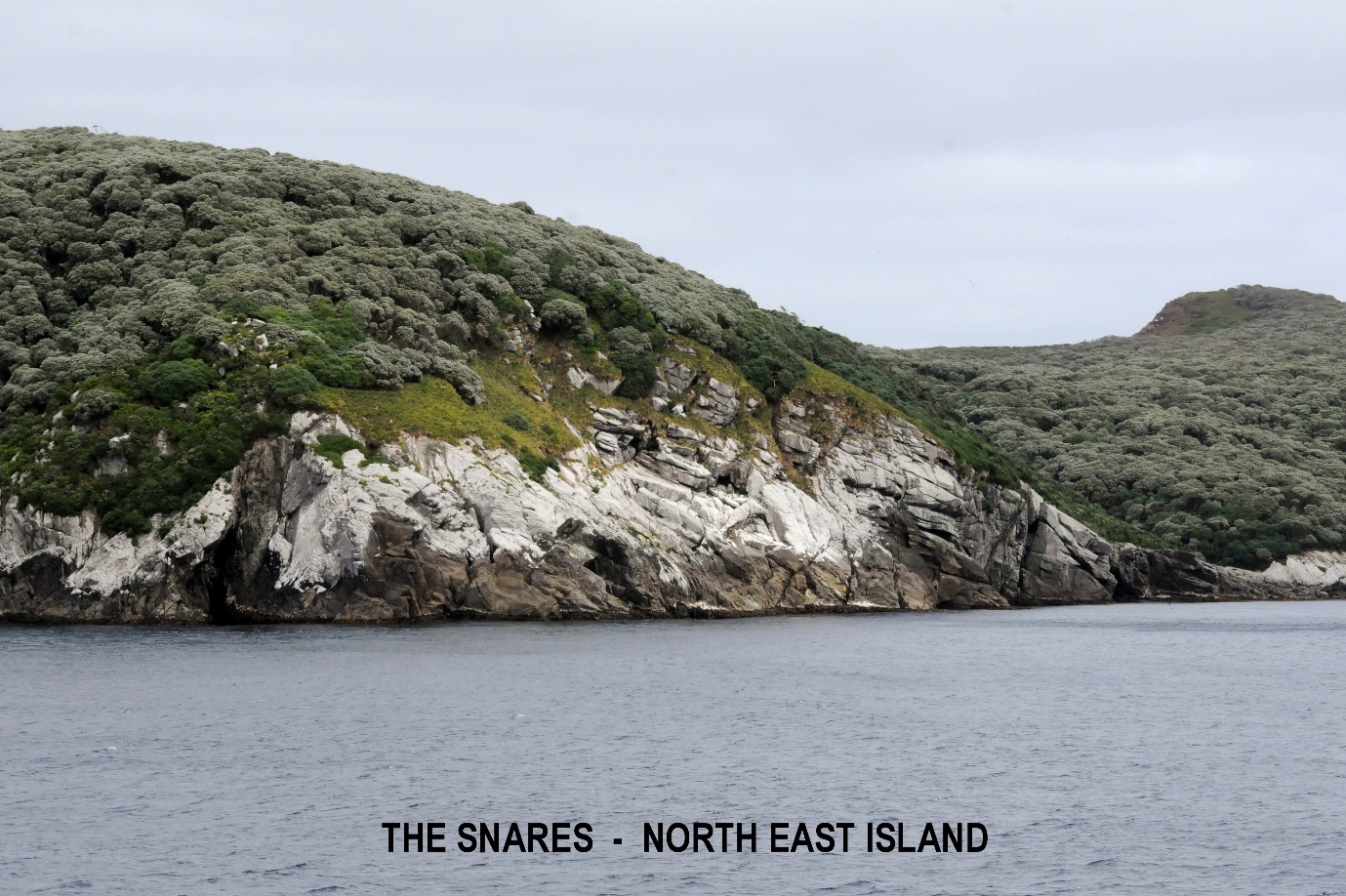
The first stop after leaving Invercargill was The Snares, approximately 100 km southwest of Stewart Island. However, as The Snares is a World Heritage Site, landing is not permitted.
One advantage of this rule is that The Snares remain feral free. Of the 22 vascular plants, 20 are endemic. Forests of the Subantarctic Tree Daisy, Olearia lyallii, are the dominant feature across about 80% of the main island, forming a canopy over 5m tall in places.
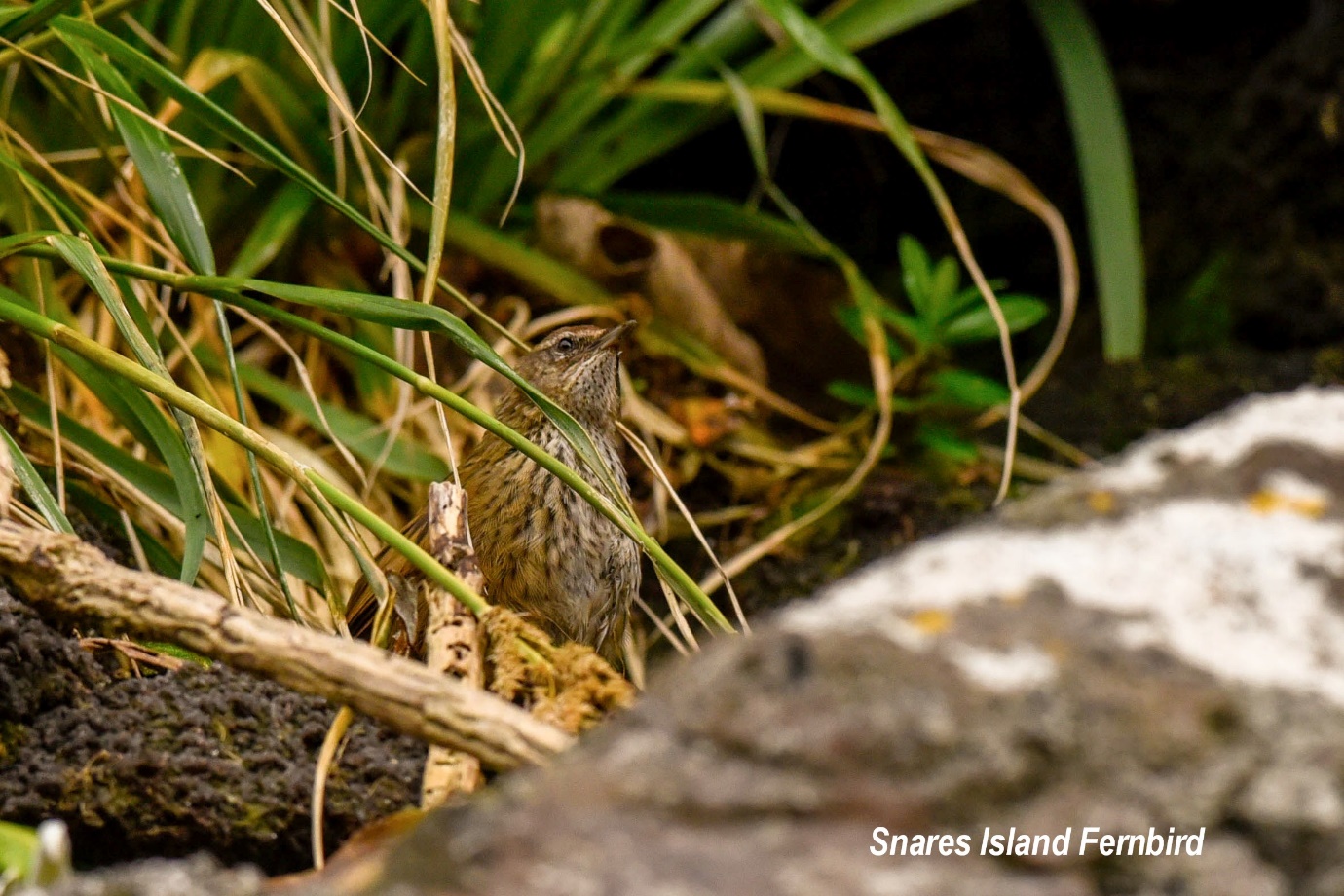
Wayne managed to photograph many of the islands’ birds, including two of the three endemic bird species, the Snares Tomtit and The Snares Fernbird.
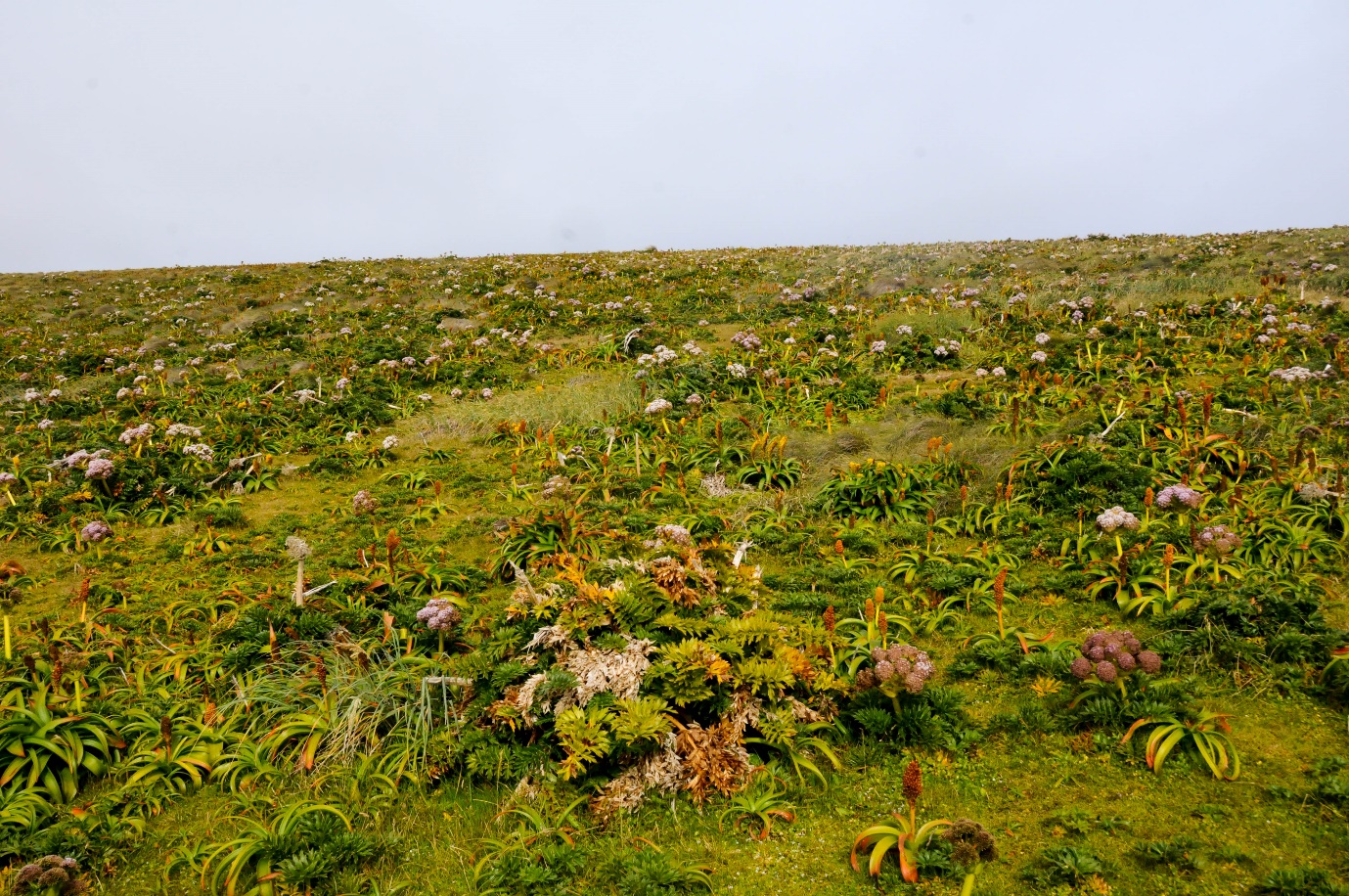
His second stop was Enderby Island, one of the groups making up the Auckland Islands. Thirteenth-century archaeological deposits on Enderby Island provide significant evidence of the southernmost extent of Polynesian Pacific voyaging and occupation found to date.
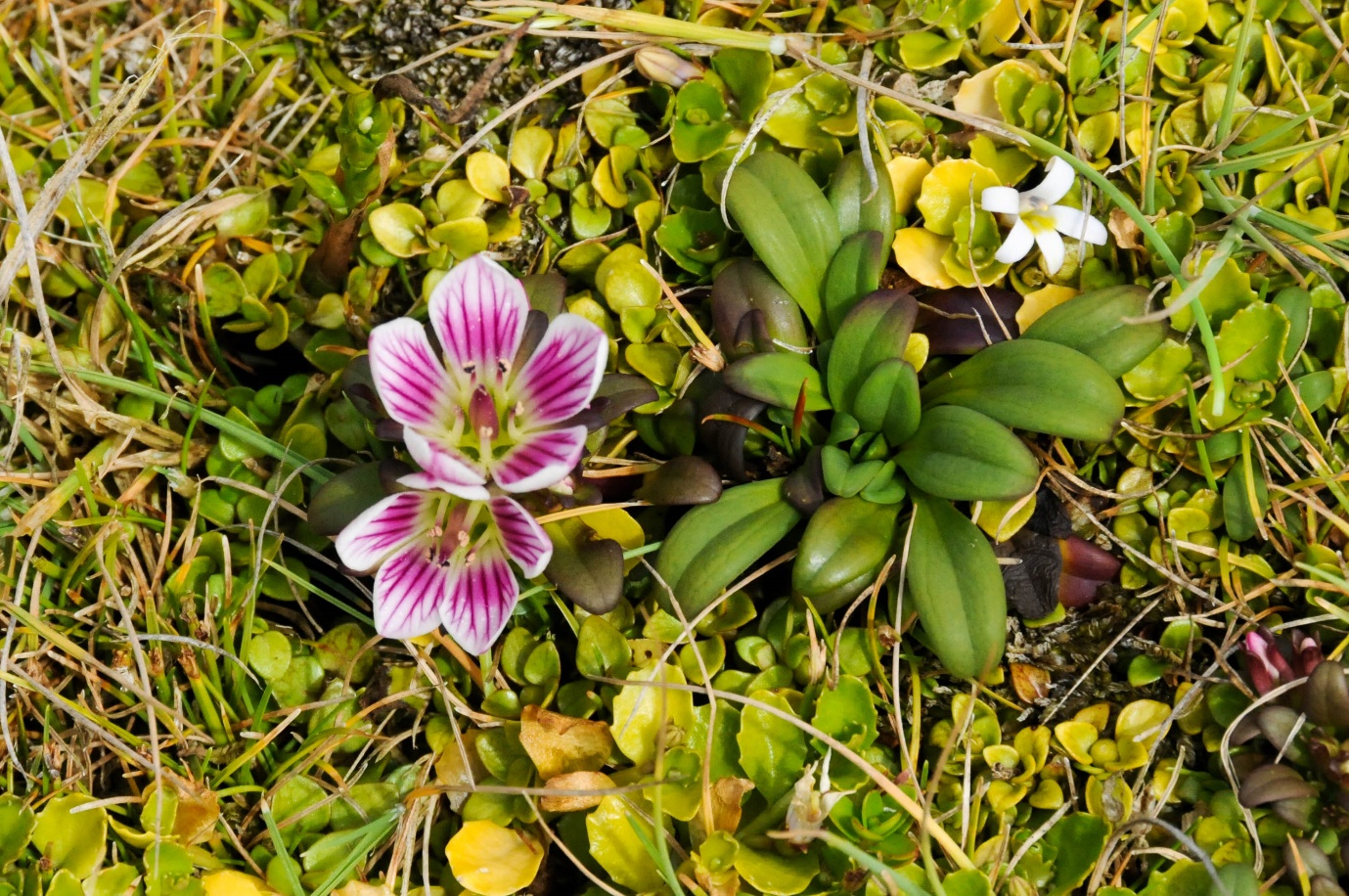
As well as having a wide variety of plants and wildlife they also have a rich human history.
The islands are known for their mega-herbs, and at the other end of the scale, for their four species of miniature orchids.
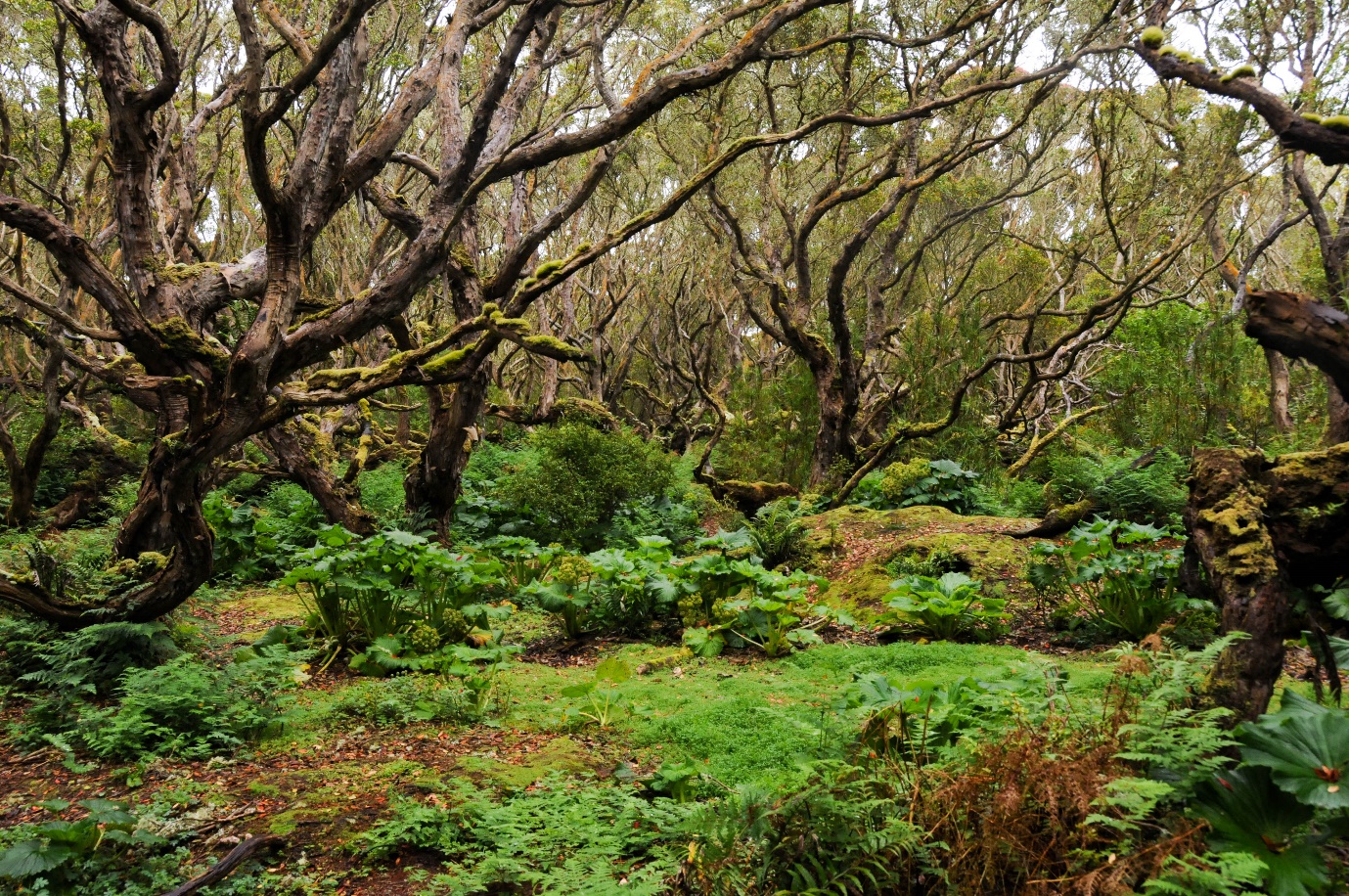
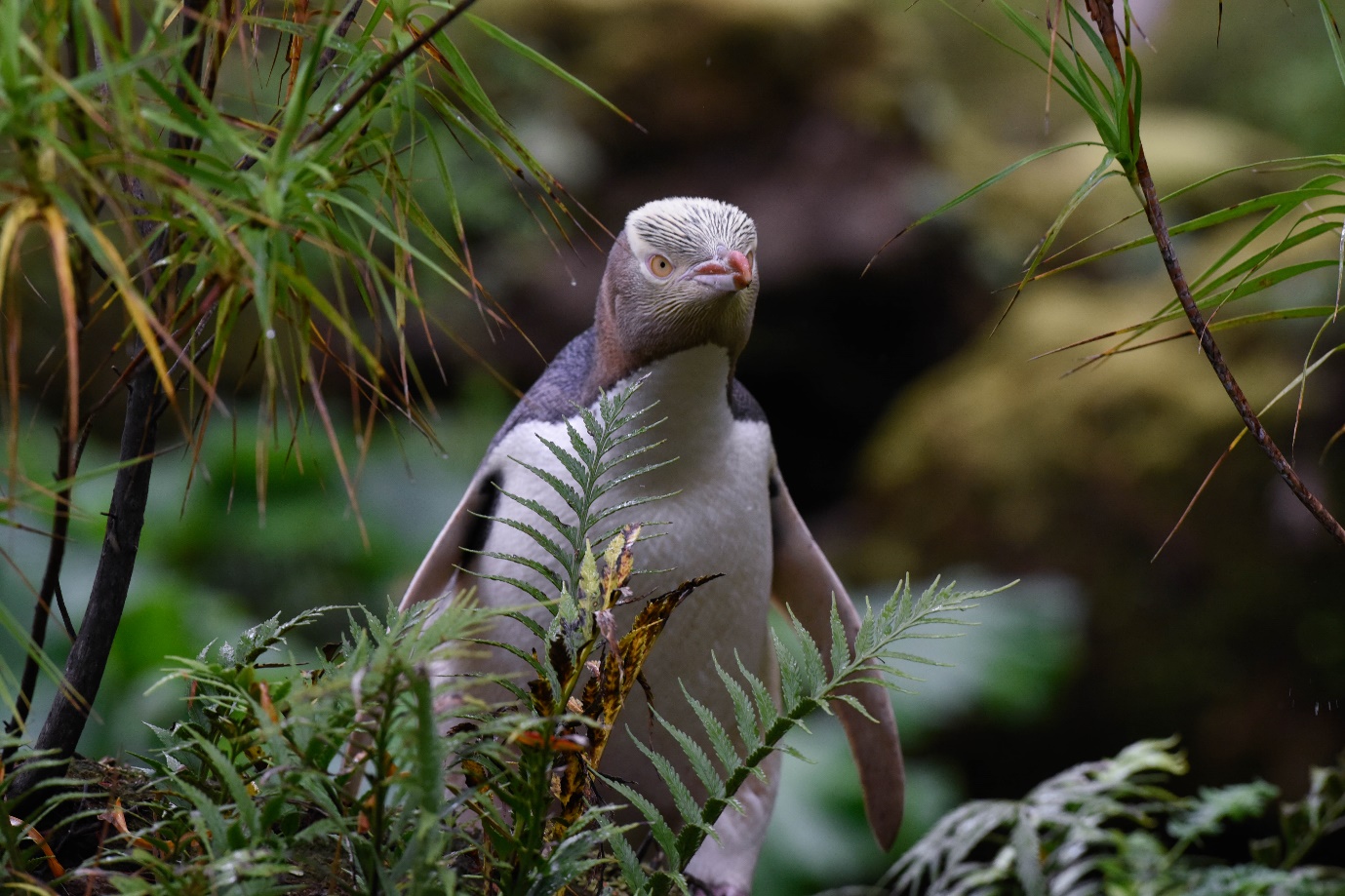
The conservation of Macquarie Island is looked after by the Tasmanian Department of Parks and Wildlife. Quarantine measures are very strict, and Wayne found himself being thoroughly vacuumed twice before being allowed ashore. Following the eradication of rats, cats and rabbits in 2013, the native vegetation has returned.
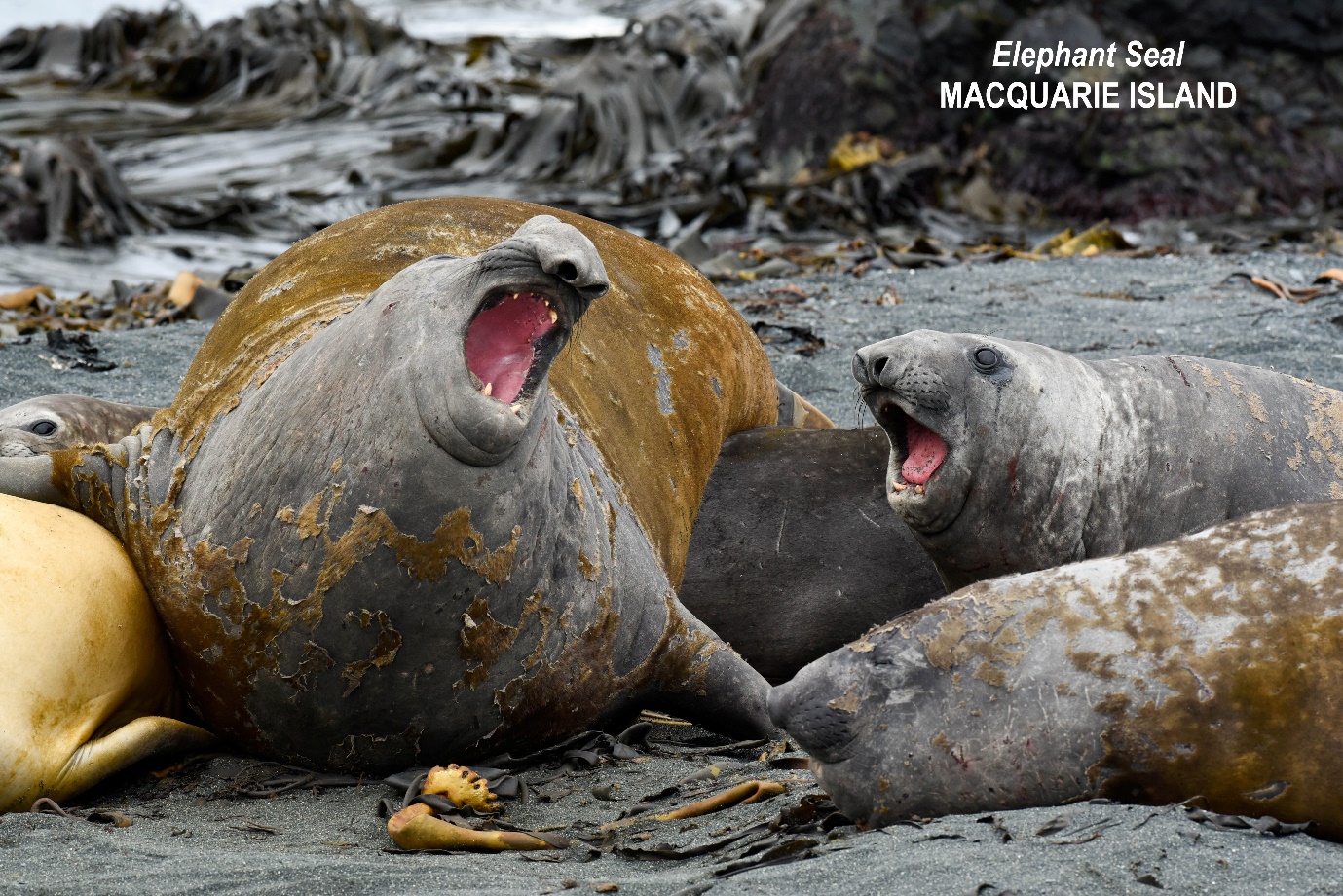
On the beach, Wayne had his first encounter with Elephant Seals and elsewhere came upon the remnants of the whaling industry, which followed the sealing industry of the 1830-40s.
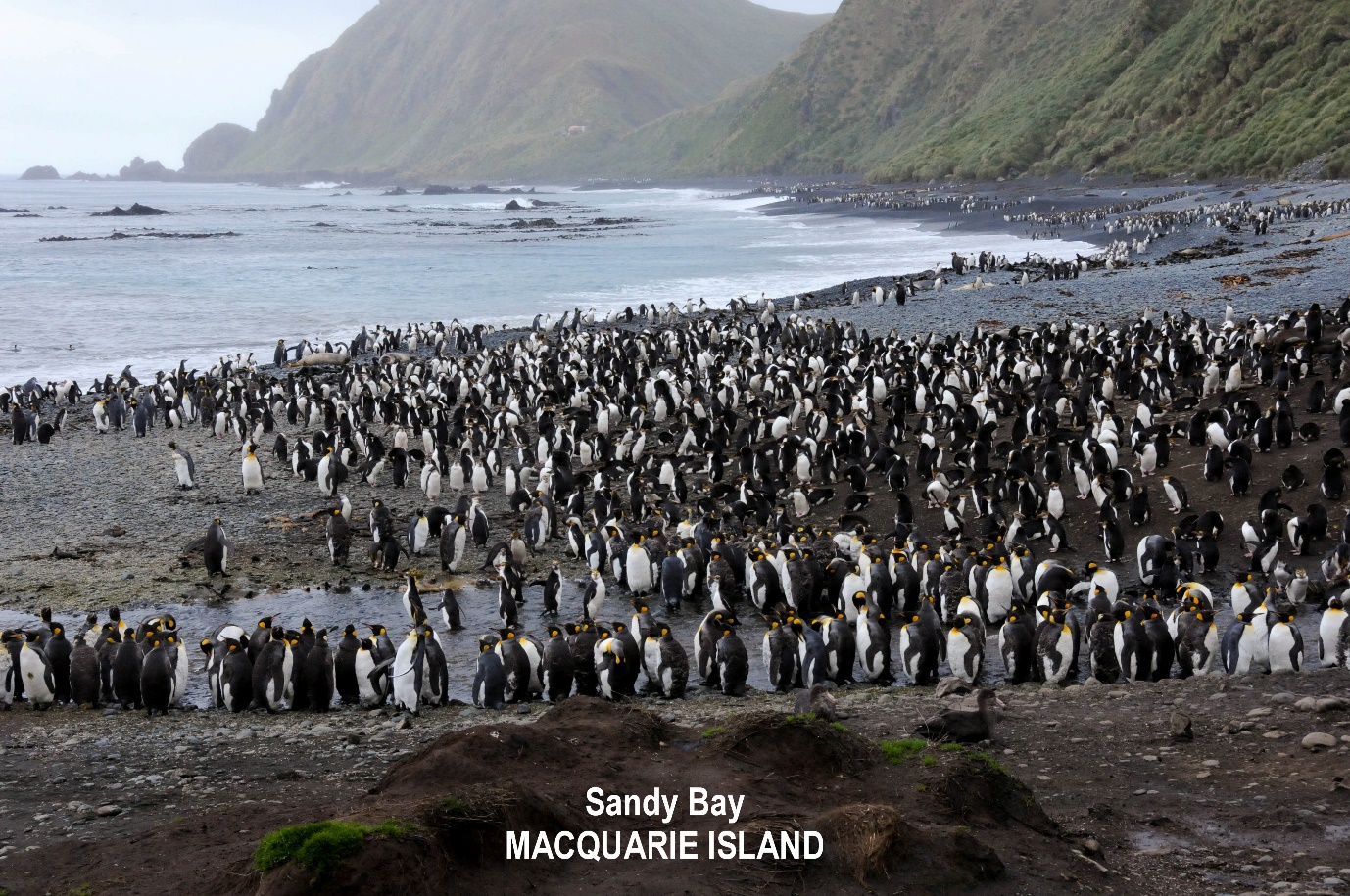
The area known as Sandy Bay is home to one of the largest populations of the King Penguin. Gentoo Penguins nest around the settlement, while Rockhopper and Royal Penguins are common. Wayne also showed us photos of many of the sea birds, including three members of the albatross family: Grey-headed, Light-mantled and Wandering.
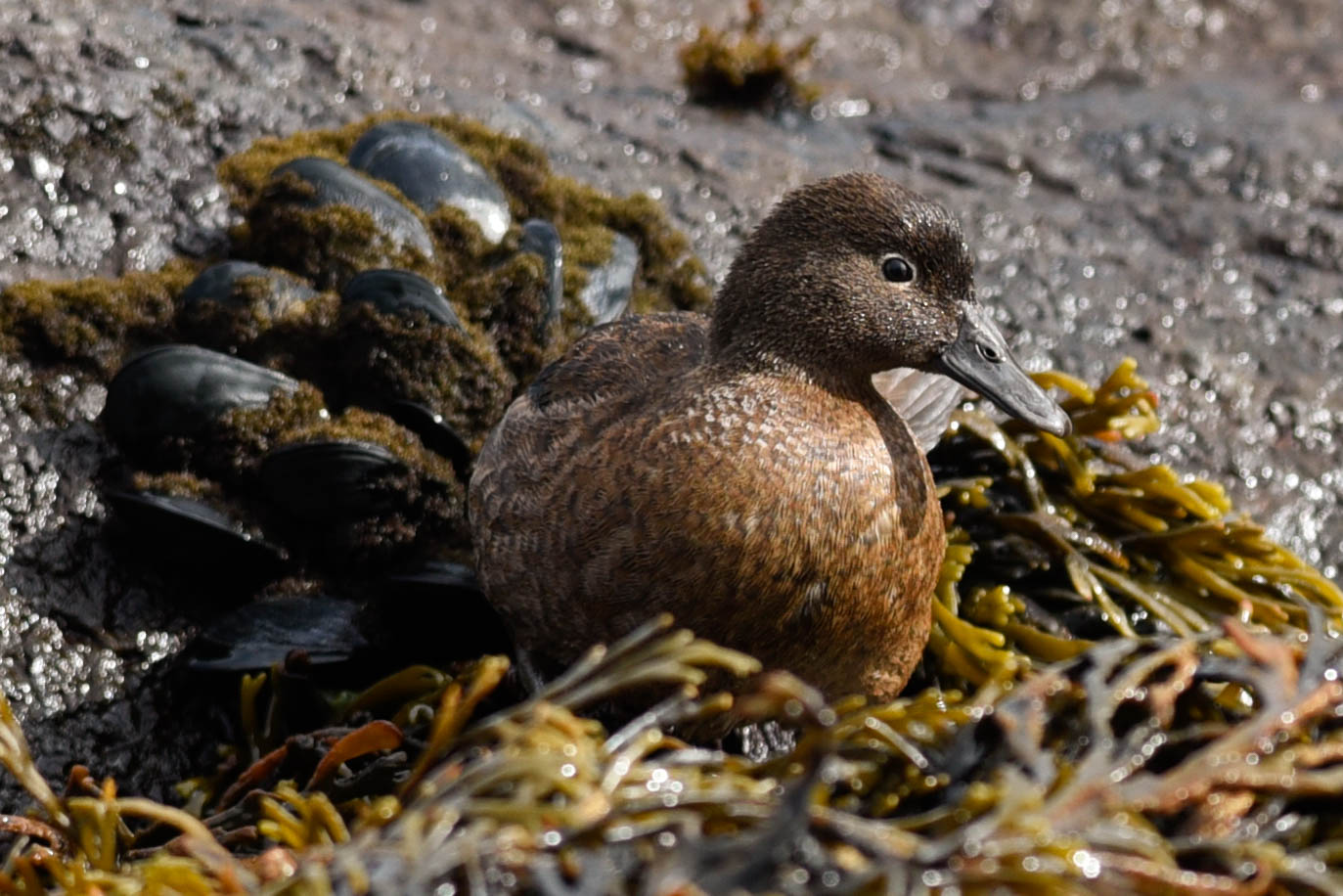
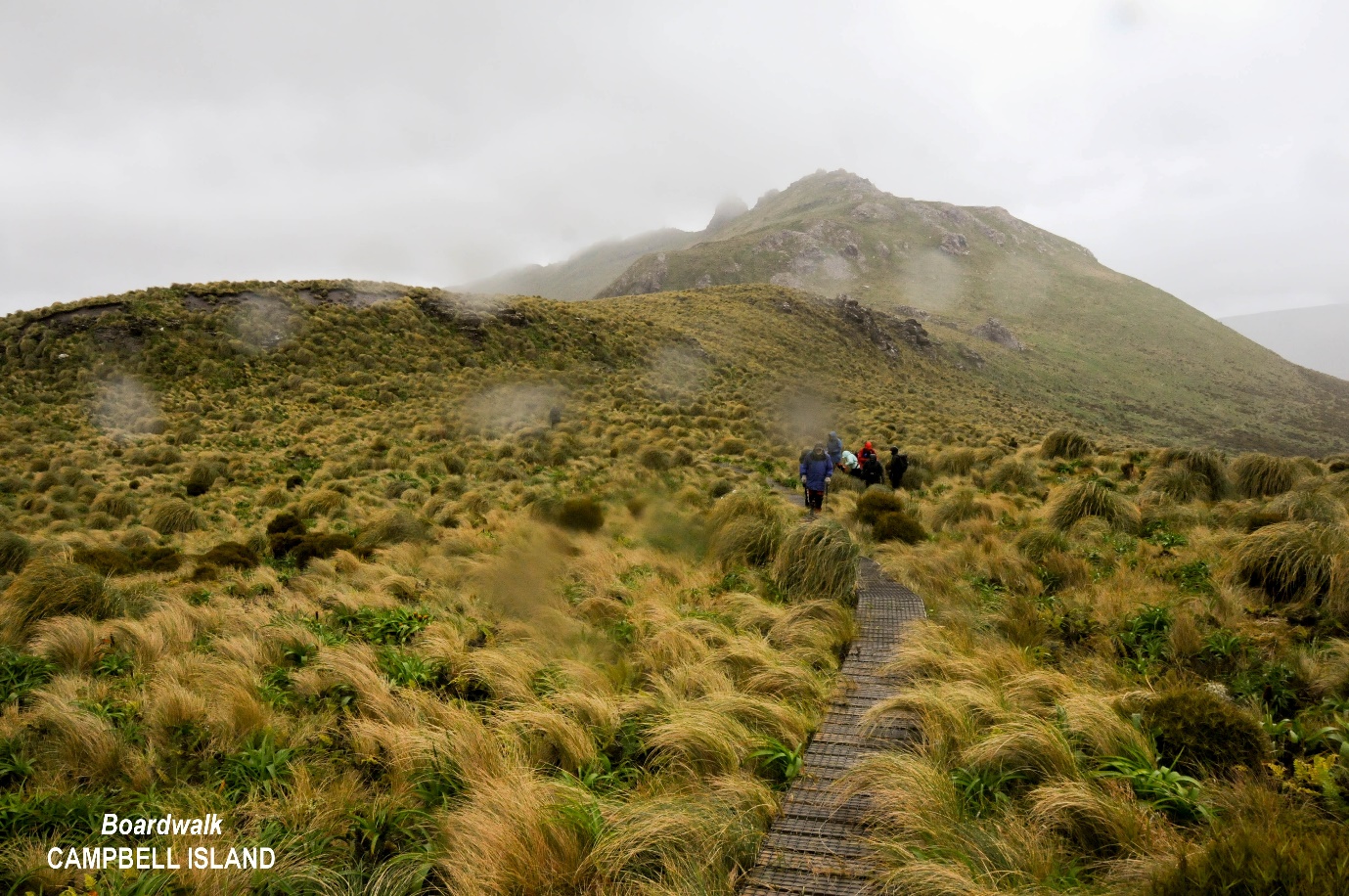
The last stop on Wayne’s cruise was the Campbell Islands, the most southerly of the five New Zealand subantarctic groups. Sheep and cattle farming was conducted between 1895 and 1931. Since the eradication of remnant stock, vegetation and invertebrates have been recovering. Seabirds have been returning, the Campbell Island Teal, the world’s rarest duck, has been reintroduced, and the Campbell Island Snipe and New Zealand Pipit have reintroduced themselves from the predator-free outlying islands. Apart from finding the teal and being blown off the boardwalk, the highlight for Wayne was the delicious mussels eaten straight from the rocks.
All photos by Wayne Merritt.
Don Poynton