

Main Club 5 May 2023
Our speaker was David Knowles, a naturalist well known for his wildlife education service “Spineless Wonders”, which he took into schools across the southwest, teaching about macro-invertebrates for 22 years. Now David is a full-time ecological consultant and conducts biodiversity inventory surveys in nature reserves and with “Friends of” groups in their bushland areas. He is also a wildlife photojournalist and author.
Insects represent 92% of all species, as against mammals at 0.3% and birds at 0.8%. And yet most of the attention goes towards these vertebrates. But many insects and vertebrates depend on each other so that co-extinction can occur. Insects and other invertebrates are central to the functioning of terrestrial ecosystems, mainly as primary decomposers and chief pollinators. But insects are in rapid decline worldwide.
Our modern world is awash with lighting – domestic, industrial and street lighting, as well as for sports facilities. David refers to light pollution as “a major and insidious biodiversity erosive force”. We are causing unintended collateral damage. Insects attracted to lights, away from their natural habitat, may be eaten by bats, birds, and spiders, or die in other ways. Even non-flying insects are attracted to lights. It is obvious in this context that lighted sporting grounds next to conservation areas are a real threat to insects, but we are not generally aware of this, nor are urban planners.
David has used light traps and other trapping methods extensively to document species. Insects attracted to light include:
- Moths (mainly Geometridae, the largest moth family).
- Orthopterans (katydids and crickets).
- Mantis.
- Termites (during the activity period of alates).
- Lacewings (including aphid-eaters and ant-eaters).
- Phasmids (stick insects).
- Caddisflies (if near water, where they breed).
Some creatures have benefitted from the encroachment of electric lighting where flying insects gather – bats, seagulls and other birds that pick up insects from the ground in the morning, for example. But we must remember that moths are primary nocturnal pollinators of our native flora.
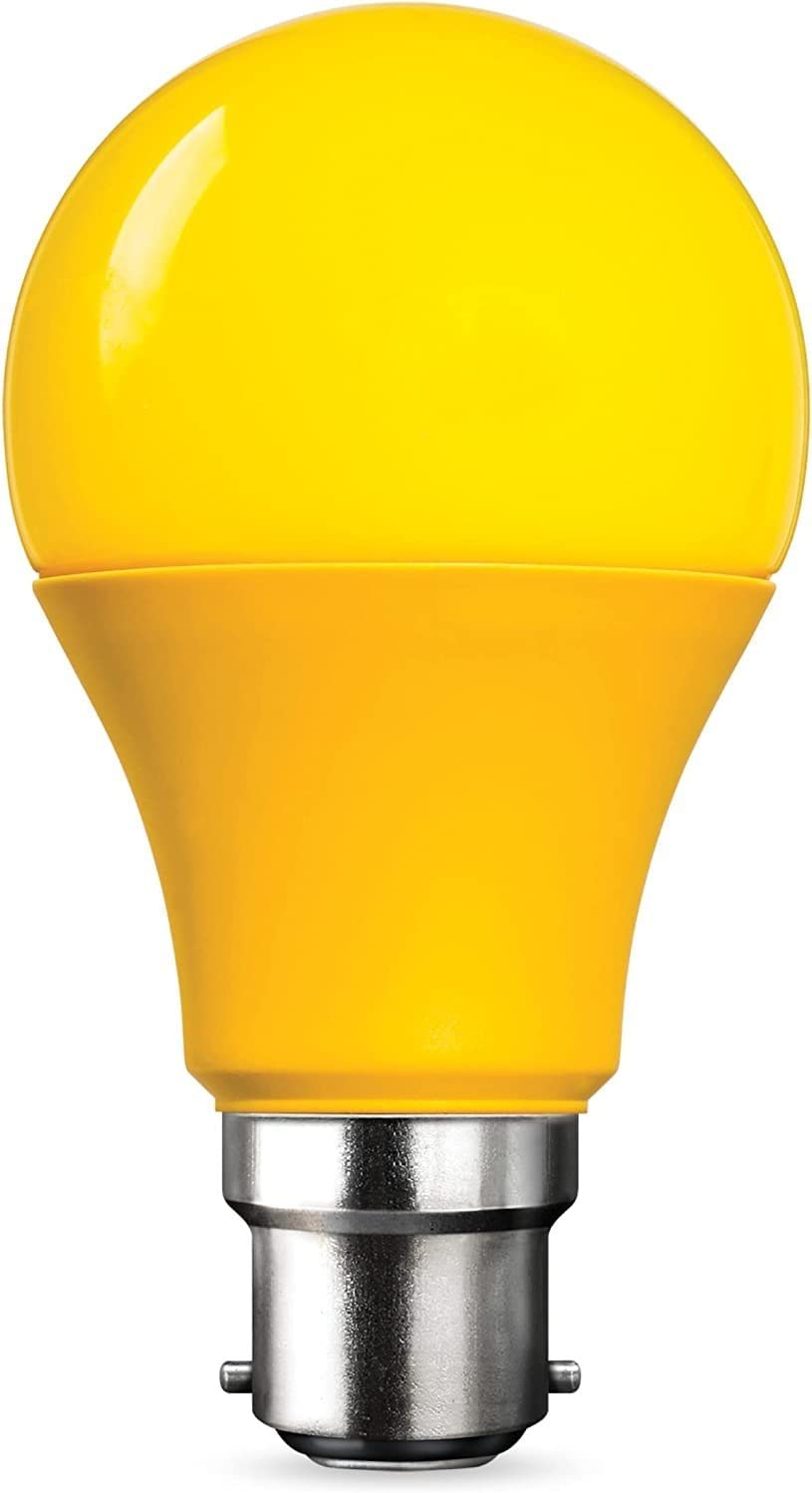
One solution David mentioned is replacing the existing lights with yellow LED lights. He encourages “Friends of” groups to promote the use of these, especially at the margins of conservation estates in urban and suburban areas. Another is to grow a “curtain” of foreign trees around conservation areas with lights nearby, but sometimes a curtain is not favoured by residents with an elevated view.
Ultimately, David says, we all need to know the basics of terrestrial ecology. We all, including engineers, town planners, government ministers and so on, must think ecologically. I believe that is true and applies to many areas of planning and the lighting problem. And we need to focus on the invertebrates because they really rule the world, on land and in the oceans.
Mike Gregson