

Main Club April 2023
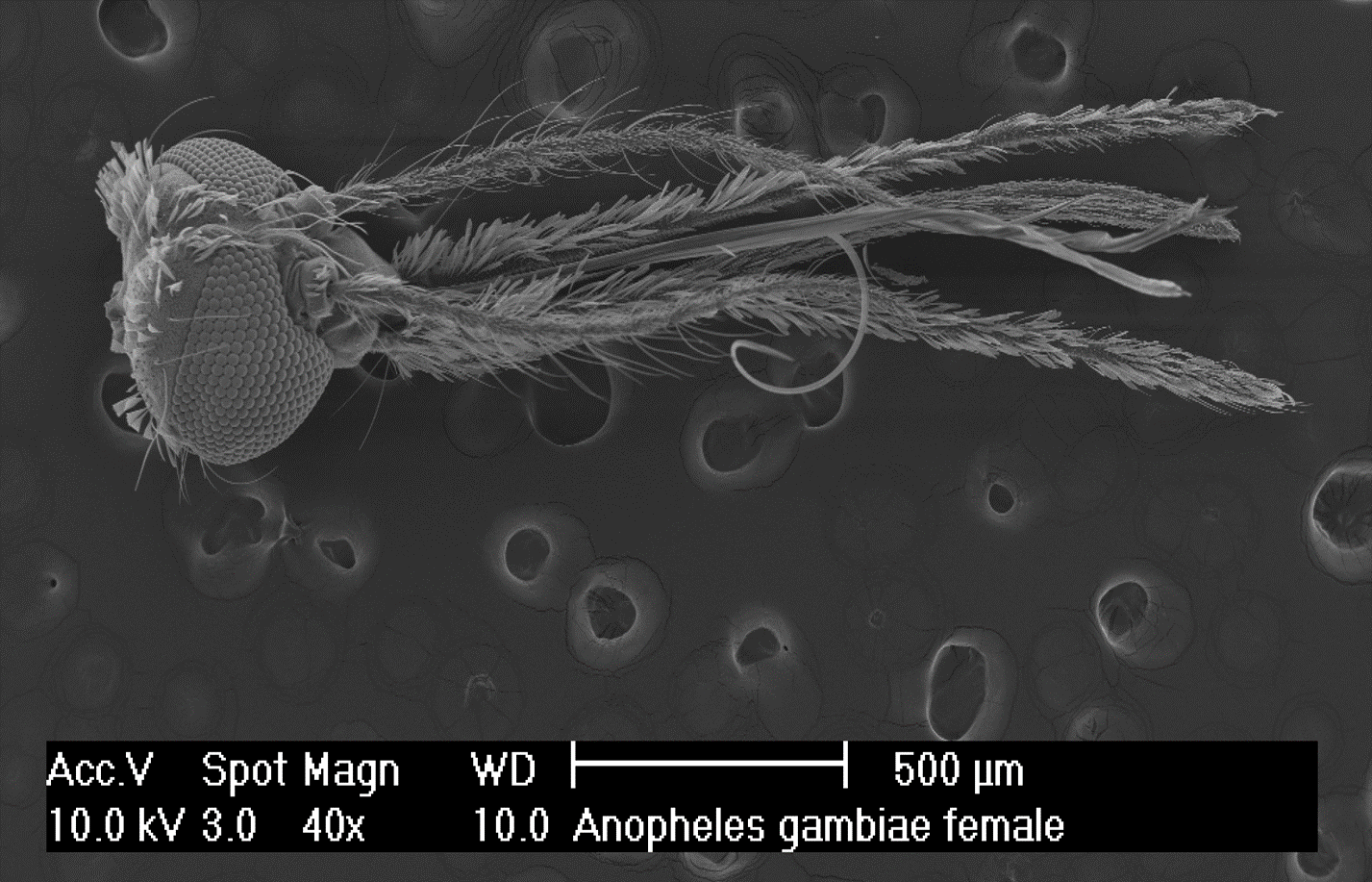
Our speaker was Dr Wei Xu, senior lecturer in Entomology at Murdoch University. His main research interests are insects relevant to agriculture and medicine. His PhD research project at the University of California, Davis, was on the olfactory proteins of moths and mosquitoes. He is interested in the interaction and co-evolution between insects and their hosts.
The most dangerous animal on earth, says Wei, is Anopheles gambiae, the principal species of mosquito that transmits malaria to humans and some other animals. Anopheles funestus is another disease spreader. It has a very close relationship with humans and likes to live indoors. Annual human deaths from mosquito-borne diseases total ~550,000 pa, more than any other cause. Every 30 seconds, there is a death – mostly of children in Africa. These diseases, including Ross River virus, Barmah Forest virus, Murray Valley encephalitis and Japanese encephalitis (now in the Kimberley), mainly occur in tropical parts of the world. Climate change is exacerbating the problem.
Only the female feeds on blood. Both sexes take nectar from flowers, but the female needs the blood protein to nourish her eggs, which she lays after mating near water. Dragonfly larvae and fish may eat eggs, larvae and pupae.
There are several approaches to reducing the suffering and mortality brought by mosquitoes. Using insecticides (e.g. larvicides) brings problems of toxic residues, damage to other organisms and our ecosystems and resistance in mosquitoes. New, efficient, effective and environmentally benign approaches would include strategies based on chemical ecologies, such as repellents or attractants to use in traps. DEET is a good repellent but is not 100% safe.
Many organisms rely on chemical communication, with pheromones such as attractants for mating, aggregation, and seeking hosts. Their sensory organs are the maxillary palps, the proboscis and the antennae, which contain sensory receptors (sensilla) that detect chemicals. Female mosquitoes are attracted to humans and other animals by four things – first, the presence of carbon dioxide (from 10m away!), then body odour, then body heat, and finally, tastants. Volatile chemicals produced by the host’s body affect their attractiveness to mosquitoes. For example, malaria mosquitoes prefer feeding on the blood of people infected with malaria. Knowledge of this kind of signal interaction could lead to new mosquito attractants for mosquito management.
Wei has researched malaria breath compounds and identified four compounds that can initiate strong responses from malaria mosquitoes. Gates Foundation invests in the biomarker work, not his mosquito work.
Mosquito numbers can be monitored by light-trapping, CO2 traps using dry ice, organic attractants, dirty water or fermented grass. There are oviposition pheromones on the eggs that attract other females to lay eggs, which can be used as attractants.
Wei suggested we stay safe by using repellents, avoiding the outside at dawn and dusk, covering ourselves in light-coloured clothing, using fly screens and flushing anywhere that water collects.
Mike Gregson