

Northern Suburbs Branch, 19 May 2026
For the May meeting, Northern Suburbs Branch looked to the wealth of knowledge and experiences we have amongst our members. Ben Schneider, Christine Curry, and Bob Willis presented a variety of topics to our members and visitors.
Ben previewed a book that he has been working on with Hugh Morrison on land snails.
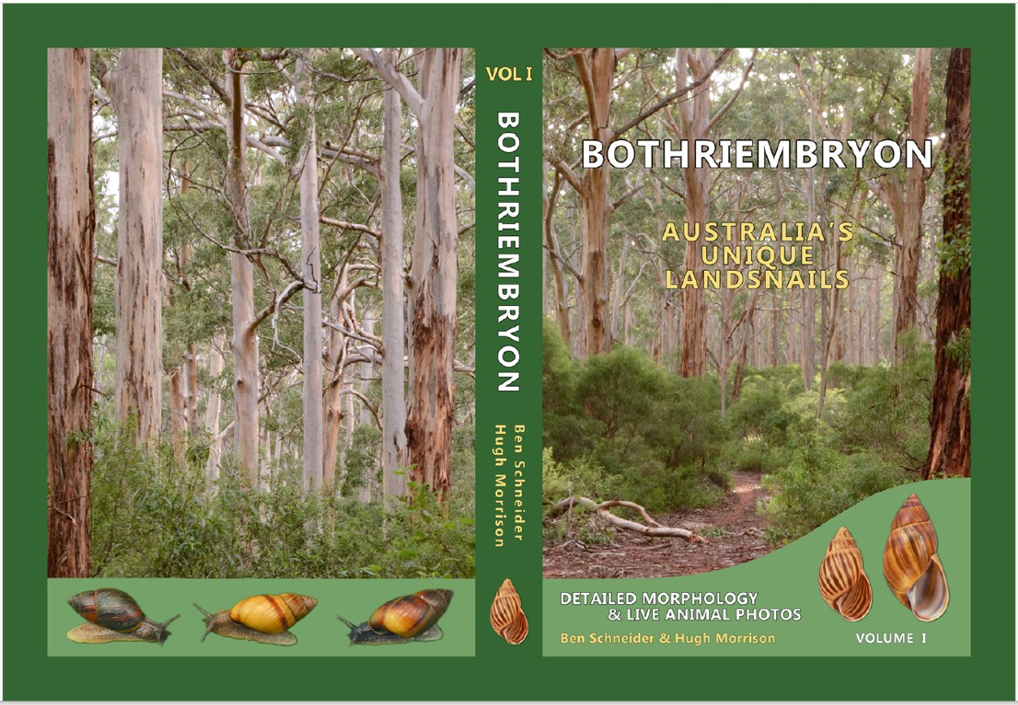
It was still at the printers at the time of the presentation, but Ben explained that it had started as a detailed 6-page species file and had grown over a 7-year period. Back in 2018, there was little information available on West Coast snails, so Ben began photographing them. The index includes photos of both sides of the shells of the 38 snails described, while the main text contains detailed photographs of the sculpture of each of the shells. The volume goes into detail about the variety of habitats Ben visited, including Mallee, bushland, dunes, forest, and rock formations. The re-discovery of Bothriembryon gratwicki is also highlighted.
We look forward to viewing Volume One of Bothriembryon: Australia’s Unique Land Snails at one of our future meetings.
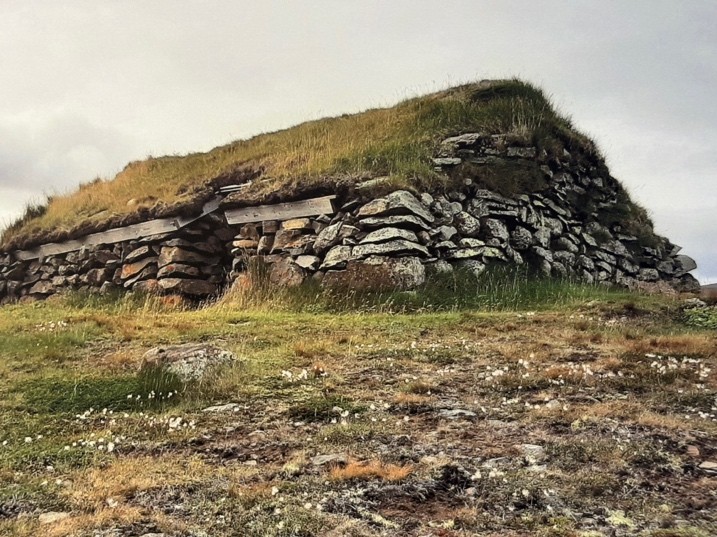
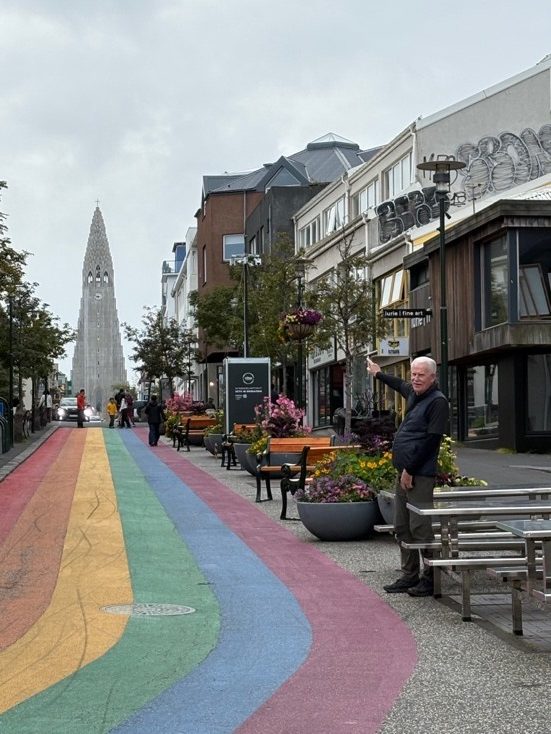
Christine presented information about a trip to Iceland – Land of Fire and Ice – that she, her husband Richard and daughter completed earlier in the year.
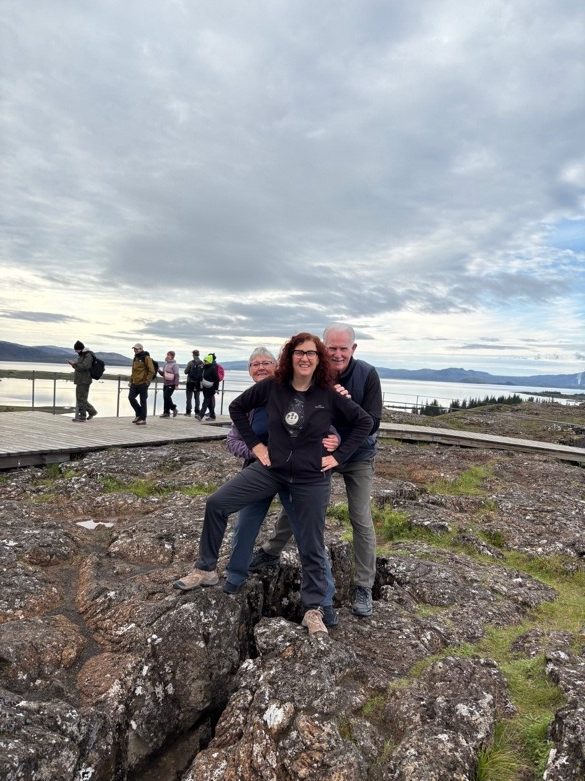
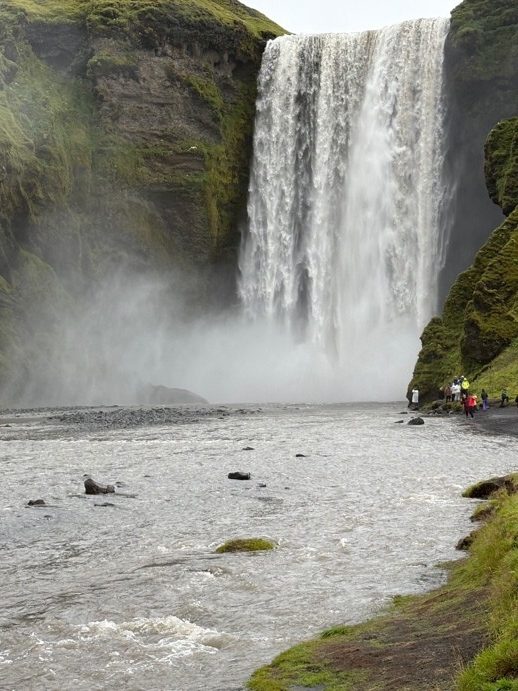
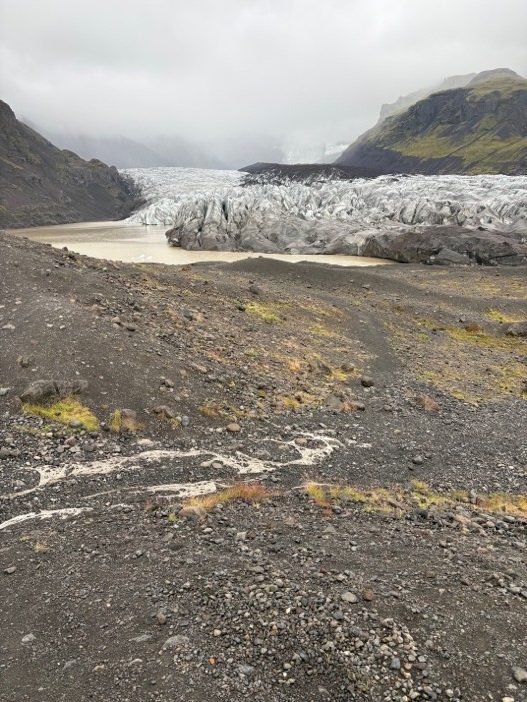
With a population of around 400,000, it has been a permanent settlement by Norwegians since about 900CE. Being volcanic, only about 1% of the land is arable, and glaciers cover 11%. Iceland lies on the Mid-Atlantic Ridge, the divergent boundary between the North American and Eurasian tectonic plates.
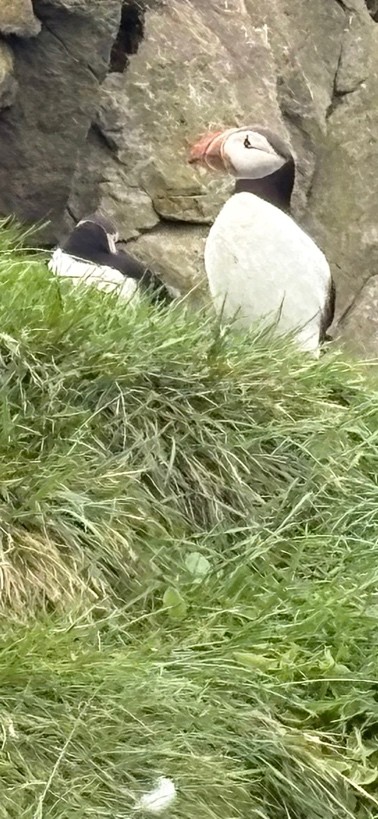
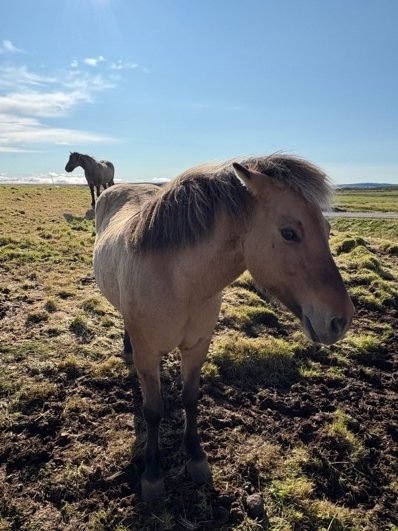
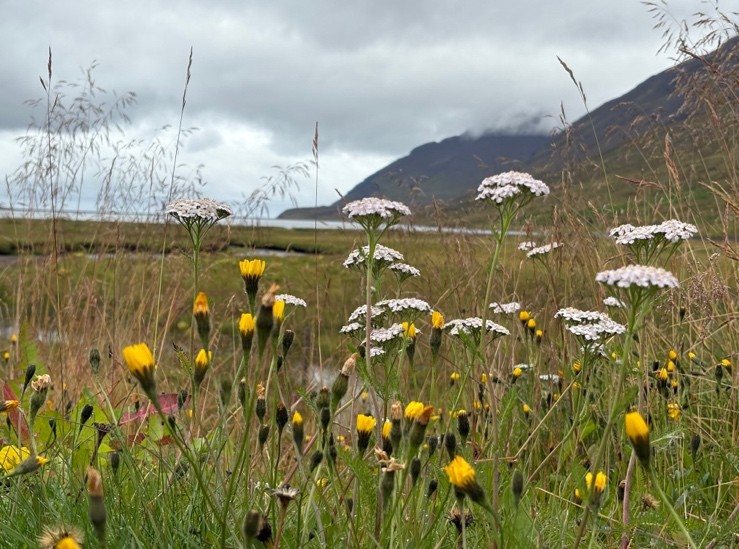
Christine recommended reading Saga Land, an award-winning book by Australian broadcaster Richard Fidler and author Kari Gislason, which explores the events of the Viking sagas in their landscapes.
Bob took us to Arnhem Land, which was part of an adventure he and Marlene did across Northern Australia in 2019.
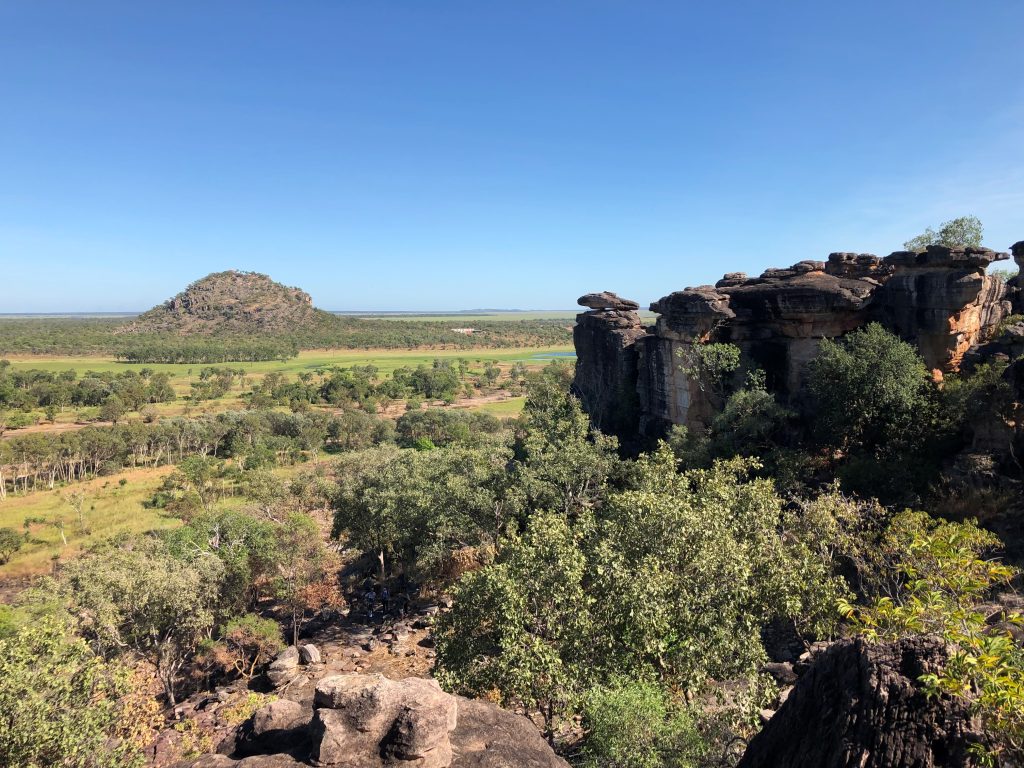
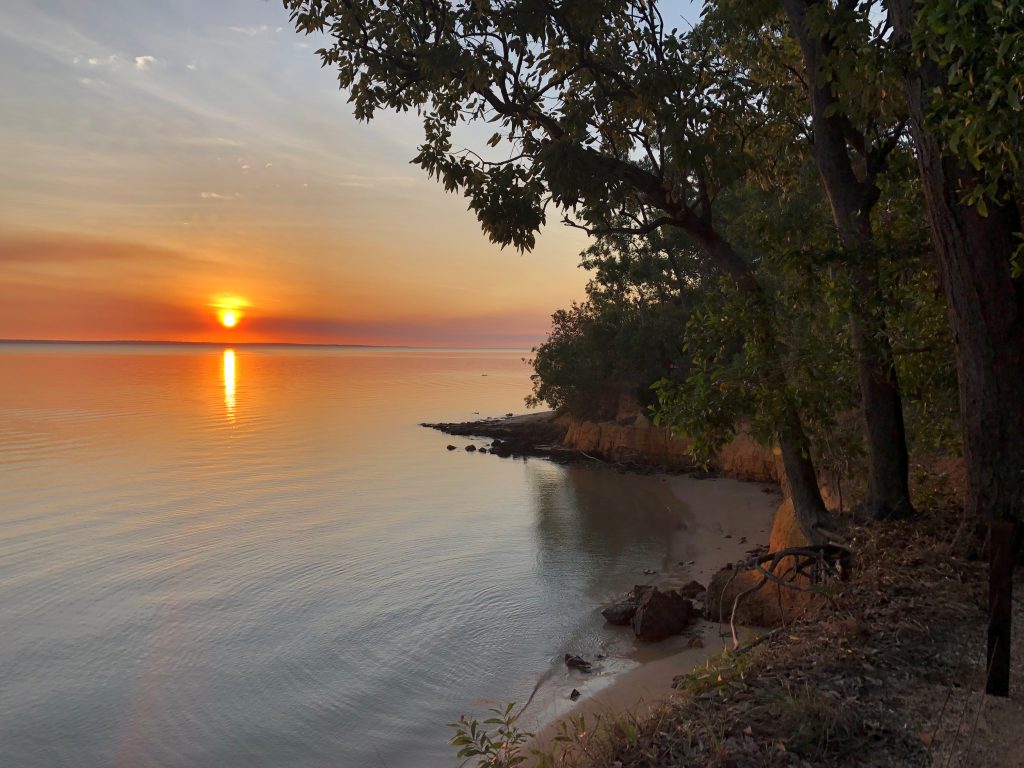
After leaving their van at Kakadu, they joined a package tour travelling up through the Coburg Peninsular National Park (now Garig Gunak Barlu National Park). The park is the world’s first designated Ramsar Wetland of International Importance. The traditional owners and the Parks and Wildlife Service of the Northern Territory jointly manage the area. Their guide was born on the Coburg Peninsular and took them to visit the Injalak Arts centre as well as the Gunbalanya townsite and local rock art sites.
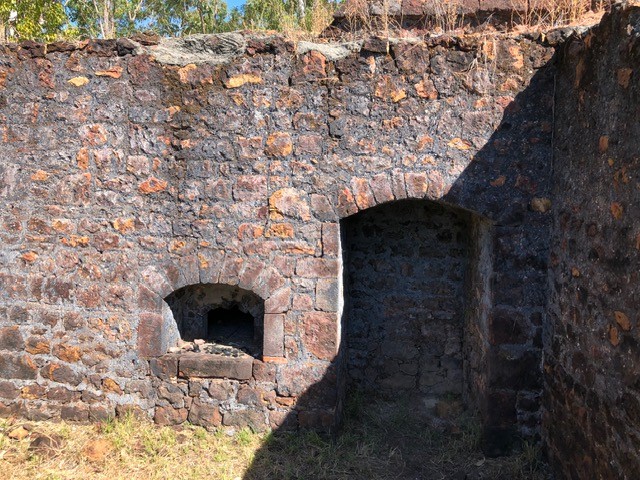
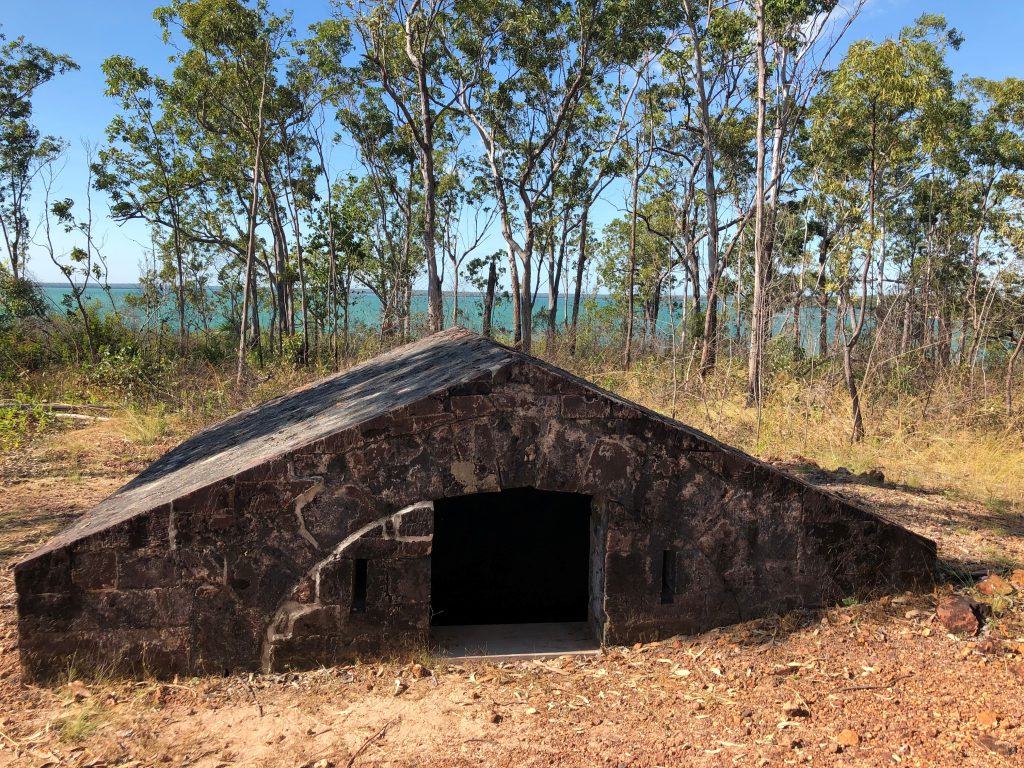
Their guide also took them across the Port Essington Inlet to visit the remote British military outpost, Victoria settlement (1838 – 1849). The settlement failed due to health issues, cyclones and isolation.
A visit to the Rangers’ office highlighted that Macassans had been visiting the peninsula well before the arrival of the British to collect sea slugs (trepang) and turtle shells. They later traded fabrics, rice and foodstuffs with the British. Some Aboriginal people travelled back to Macassar, stayed, and raised families.
Heading back, Bob and Marlene sighted Banteng Cattle, which were introduced to the settlement to provide food and milk. There are about 10,000 living in the area but have not moved far from their release area, unlike the water buffalo.
I want to thank our members for contributing and giving something of themselves to this month’s presentation.
Willy Dadour