

Kwinana Rockingham Mandurah Branch 21st March 2022
Our guest speaker for the March meeting was Paul Irvine, who delivered a presentation entitled ‘All the small things – Arachnids and Insects of the local Kwinana, Rockingham, Mandurah and Peel area’. Paul has lived in the Rockingham area for 45 years and has enjoyed bush areas and photography from a very young age getting his first camera at around 10 – 11yrs old. He started macro photography with native orchids and then found that spiders and insects also made interesting subjects for macro photography.
While in Karnup Nature Reserve in 2016, Paul spotted a tiny blue Peacock Jumping Spider that turned out to be a new discovery. It would be described and named as Maratus gemmifer in 2017. Paul showed a photo of a male Maratus gemmifer and explained that to find them you have to look carefully at the leaf litter along the edge of walk trails, with August – October being the peak season to spot the males displaying. Paul then showed a series of photos of other local Peacock Jumping Spiders, including Maratus pavonis (one of the most common), Maratus speciosus (found in sand dunes), and Maratus spicatus, which is barely 3mm in size.
Paul then provided an overview of the equipment, settings and techniques required to capture high-quality images of such small subjects. He brought three cameras, set up with macro lenses and electronic flashes with diffusers. The flashes are often necessary because the large f stops used to get a good depth of field require supplementary lighting of the subject. He explained that he uses the manual focus stacking technique much of the time, whereby multiple frames are taken in quick succession, with the point of focus changed slightly for each shot. The images are then combined using software to produce an image with a large depth of field that would not be possible to capture with a single frame. He also hints at getting sharp focus when using a mobile phone to take macro shots.
Then followed a series of photos of different spider species, all found in our local area. These ranged in size from the tiny Dew Drop Spider (Argyrodes antipodianus) to large Huntsman species. Many species are difficult to find, such as the Wrap Around spiders (Dolophones sp.) and Net Casting Spiders (Deinopidae). Paul explained that the best time to spot these, and many other species, is after dark with a head torch, the eye shine giving them away in most cases.
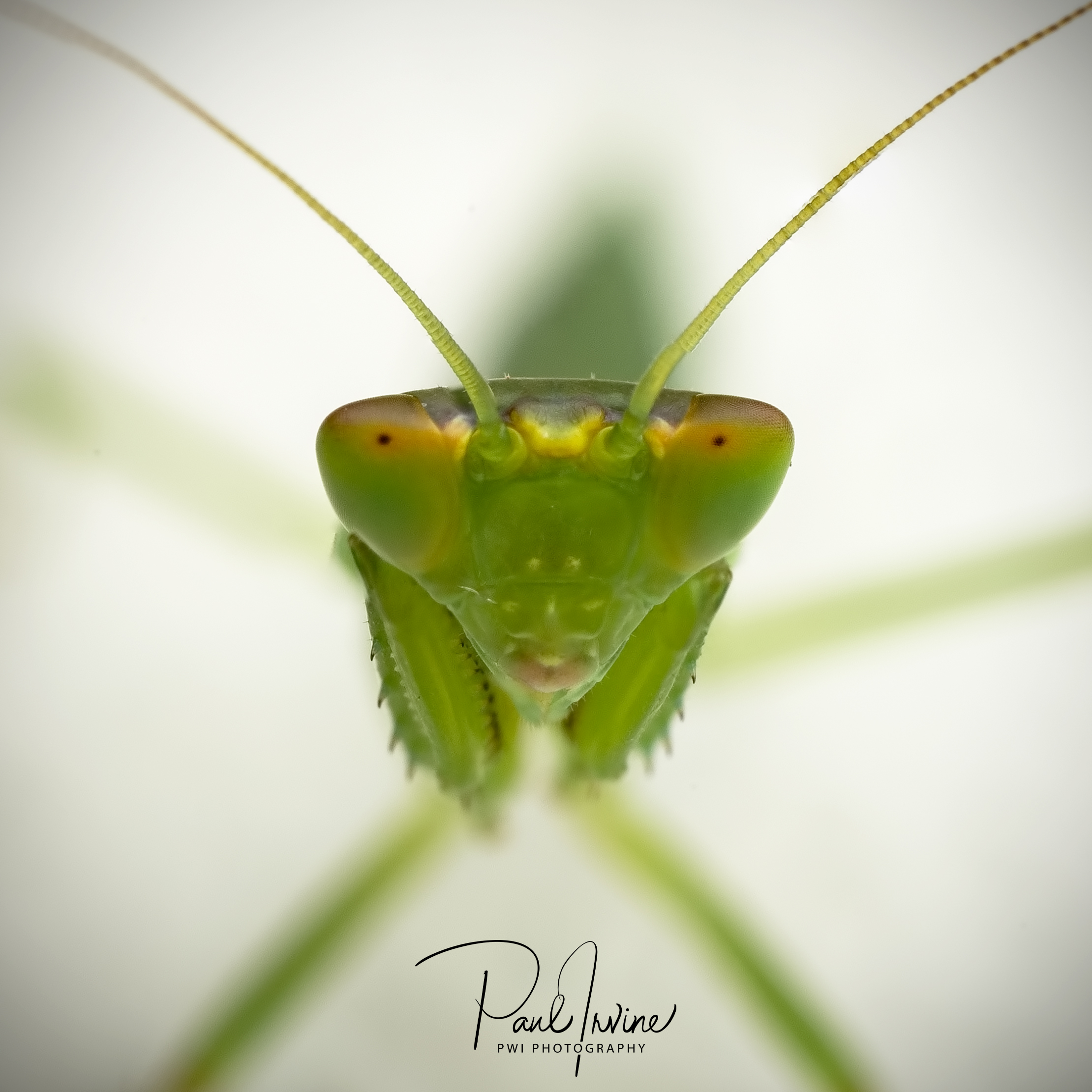
The next part of the presentation featured other insects and included some stunning images. The insects featured include Lace Wing Bugs, Bird of Paradise Flies (not really a fly, they are scale insects), Leaf Hoppers, ants farming aphids, and Scorpions. Paul finished off his presentation by stating that patience is the key to success, both finding the subjects and photographing them. Paul then welcomed audience members to inspect his camera equipment and answered questions raised.
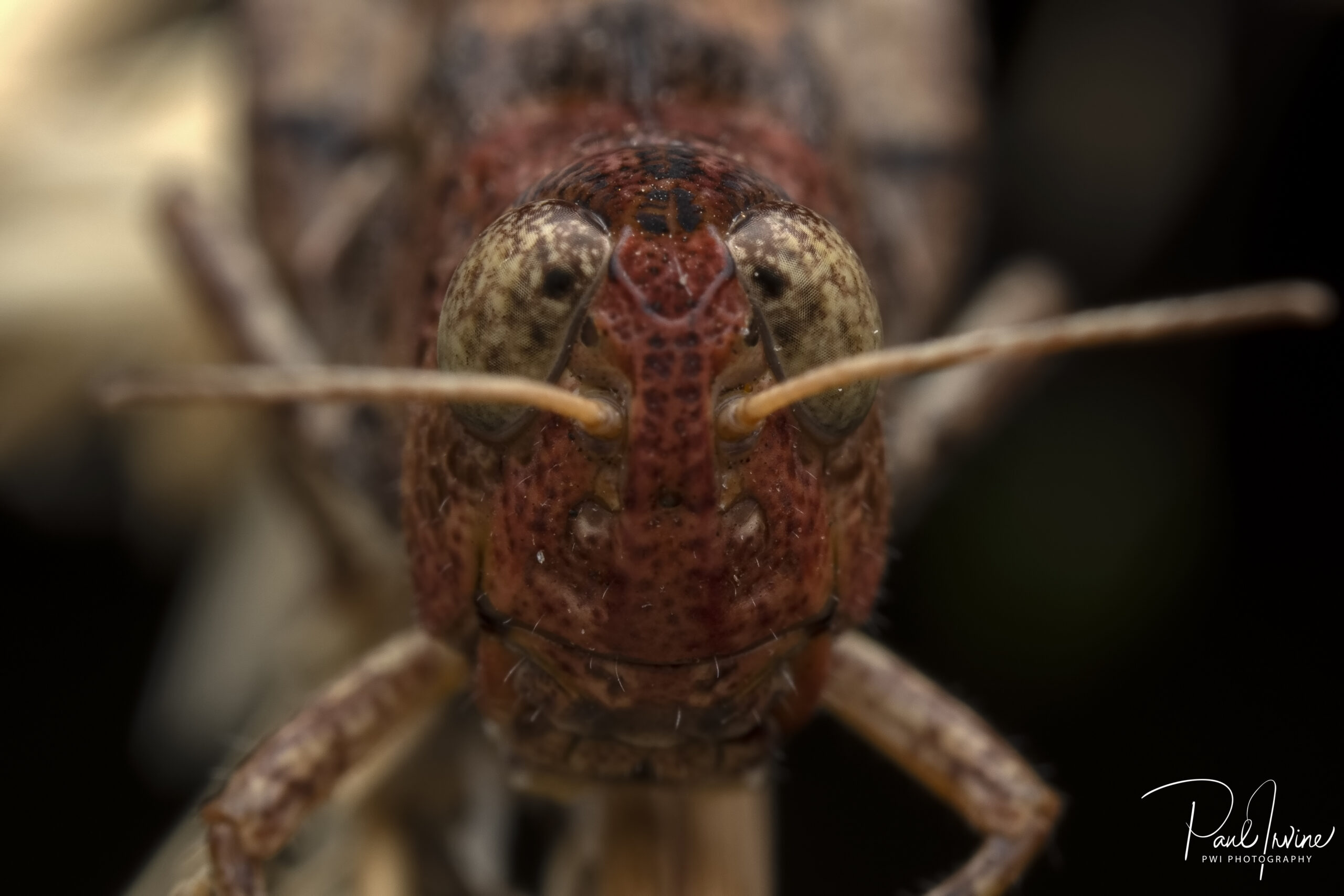
We thanked Paul for his great presentation and for highlighting his photographic skills and passion for our local environment. It had been both informative and interesting and should encourage more members to give macro photography a go. To see fine examples of Paul’s photography, check out his Instagram Page @pwi_photography.
Colin Prickett