

Darling Range Branch, 2 May 2026
This excursion was a sell-out. Forty people booked in with a wait list. It’s clear that bird watching is becoming increasingly popular. On the day, even though only two-thirds of attendees turned up, we still needed to divide the group into two. Half went one way around the lake with Rachel, and the other half followed Michael in the opposite direction.
Clear rules were laid down. The first rule was no talking except at designated chat times. This makes it easier for everyone to hear the birds, and the birds are less likely to fly away. The second rule was to stay with the group and not break away. This saves group leaders from repeating things and gives everyone the best chance to see everything.
The rules were clearly followed as we recorded twenty-nine (29) species of birds. Once again, Broz Park delivered. It is only a small park on the edge of a housing estate, but the Shire of Mundaring has put a lot of effort into its environmental management. They have installed aerators to keep the water oxygenated, removed over 300 kilos of exotic fish species and planted many native plants.
Hardly any of the attendees had been to Broz Park before, with many commenting, “I had no idea this place existed.” Many promised to return and were surprised by the number of birds seen.
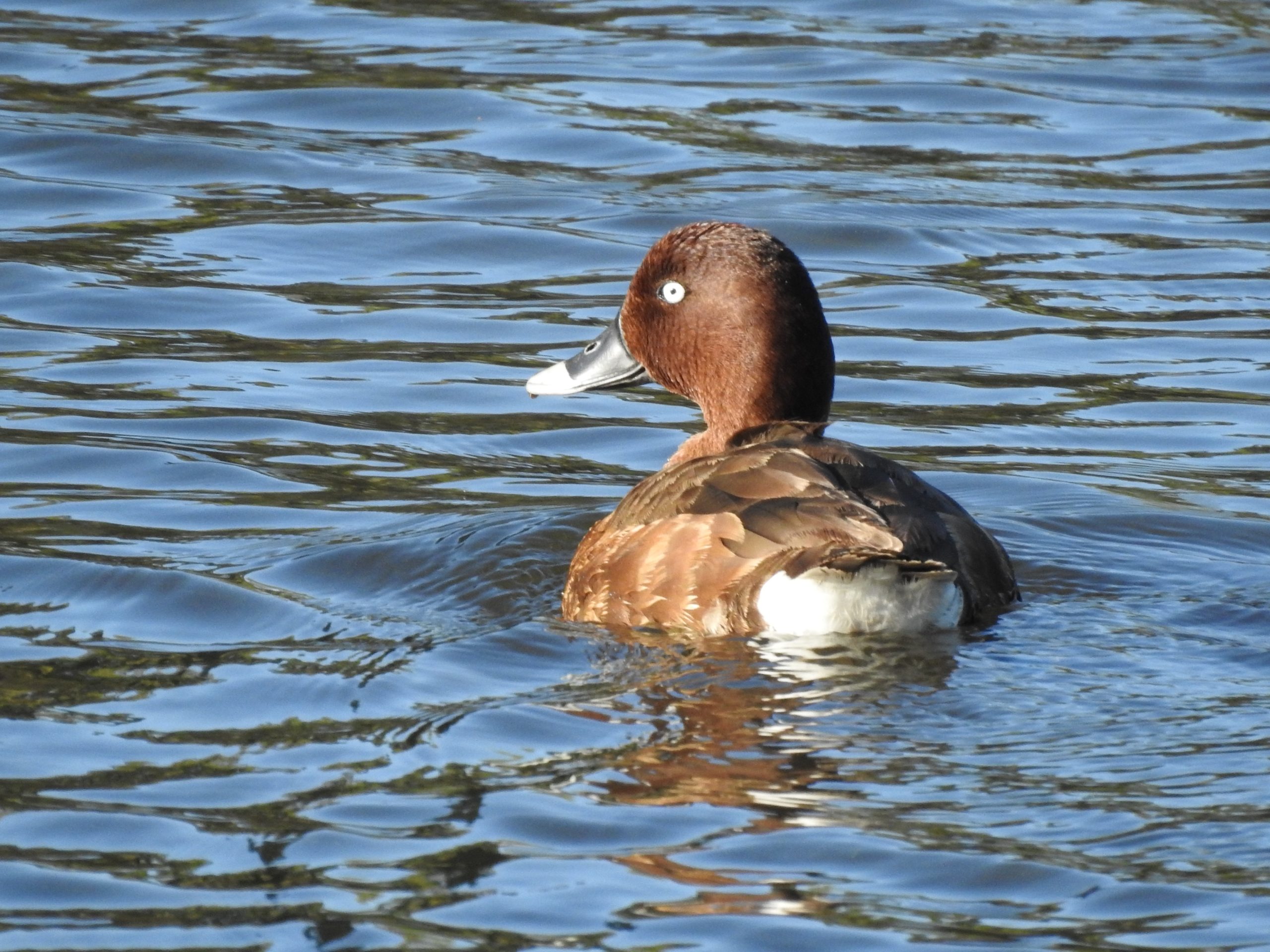
These included many common birds, such as Australian Wood Ducks (Chenonetta jubata), Pacific Black Ducks (Anas superciliosa), Little Corellas (Cacatua sanguinea), and Australian White Ibis (Threskiornis molucca). However, there were other species of greater interest. Two Hardheads Aythya australis with their clear white eyes and a Pied Cormorant Phalacrocorax varius were on the lake, much to the delight of the groups.
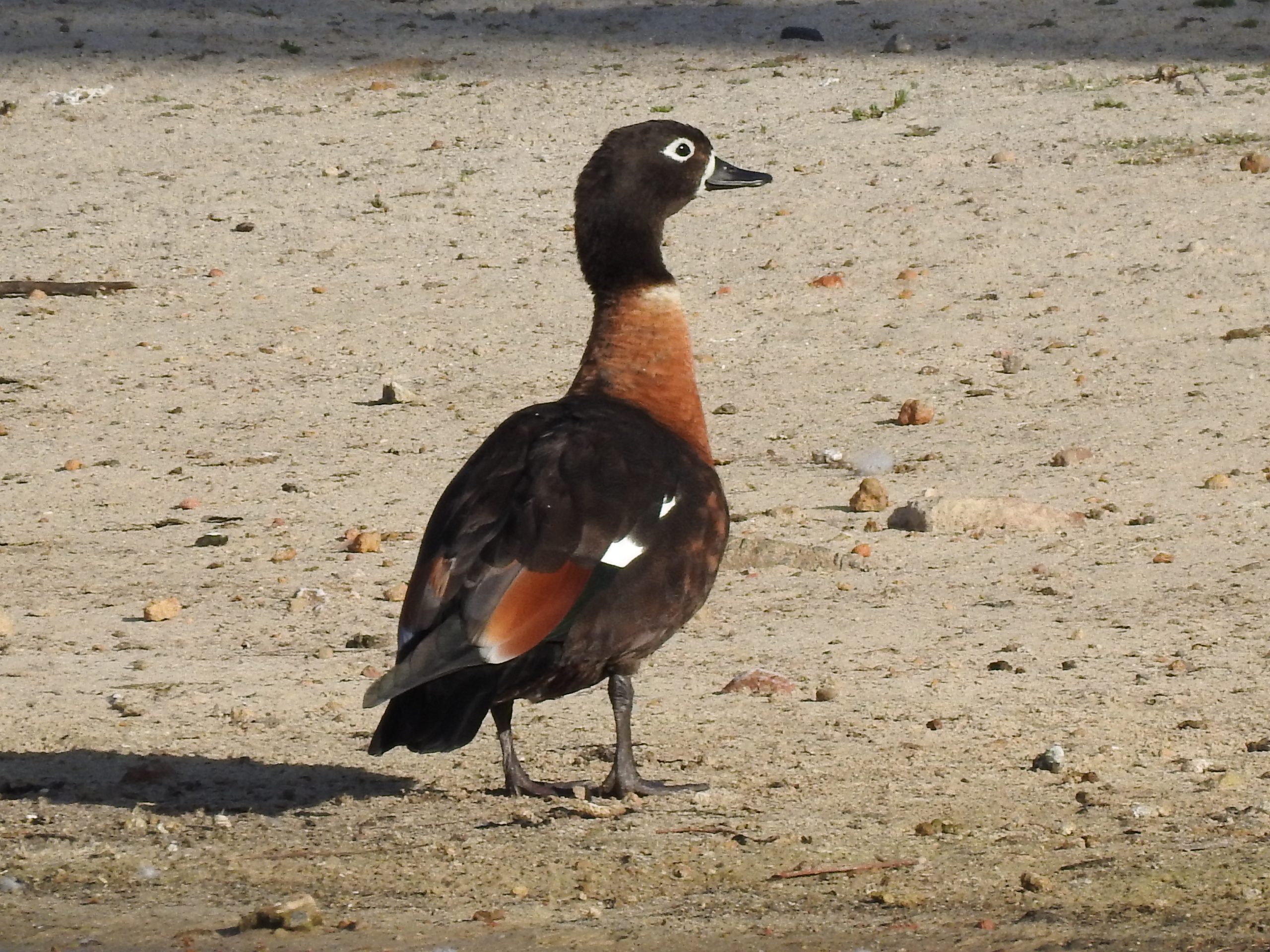
Different features of the birds were explained throughout. For example, differences between males and females of the same species were demonstrated, with a pair of Australian Shelducks (Tadorna tadornoides) clearly showing the female’s white eye make-up.
Beak colour as an aid to accurate identification was also emphasised, using the Eurasian Coot Fulica atra as an example.
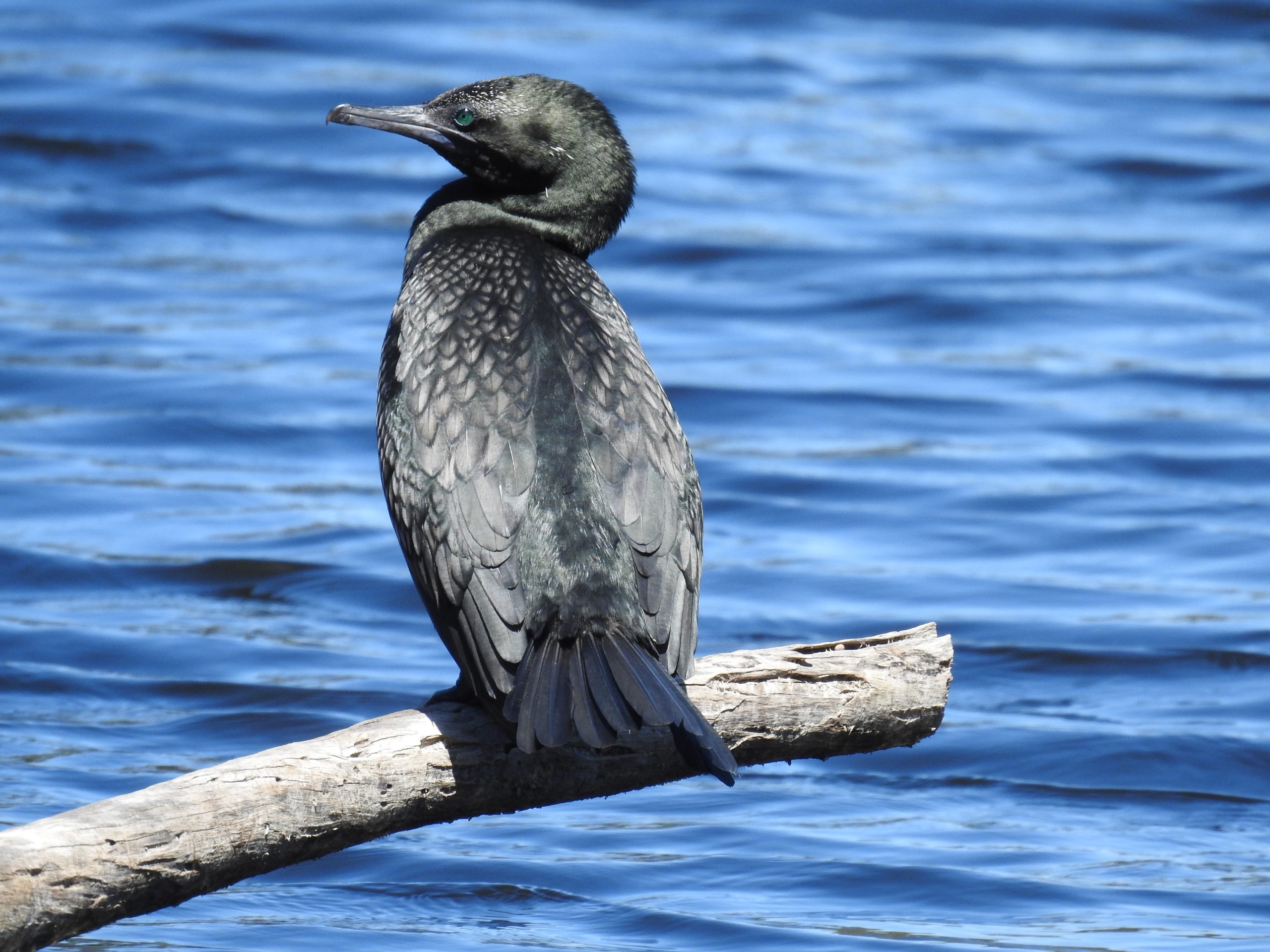
Eye colour and markings were also mentioned when six Little Black Cormorants, Phalacrocorax sulcirostris, were observed with their turquoise eyes catching the sunlight. Little Pied Cormorants Microcarbo melanoleucos were also present with their noticeably longer tails.
Finally, the sounds of different birds were identified. Two Weebills were heard, as well as the beautiful song of the Rufous Whistler Pachycephala rufiventris and the whirring flight noise of the Crested Pigeons Ocyphaps lophotes, of which there were several.
Stories were also shared. One lady was amazed that a Red Wattlebird, Anthochaera carunculata, was named after the red wattles which hang down its cheeks; she thought it was because they lived in Wattle trees. And several were surprised to learn that there was such a bird as the Western Wattlebird, Anthochaera lunulata.
Educational walks like this are so important. When the club can create a love of birds in people, birds are more likely to be cared for and protected.
A special thank you to Dani Crichton and the Shire of Mundaring for organising it. Another excursion has already been booked for later in the year, as this was so successful. Hopefully, by then, the wetland, which was dry this time, should have water in it, and even more birds will be present.
Rachel and Mike are longstanding members of the Darling Range Branch of the WA Naturalists’ Club and authors of the book “A guide to the birds of Broz Park”.
Written by Rachel Green without AI assistance!